This is for informational purposes only. For medical advice or diagnosis, consult a professional.
It starts with a simple meal. Perhaps it was a home-canned jar of garden vegetables, a specialty fermented dish, or even a store-bought supplement that felt like a healthy choice. Within hours or days, the discomfort begins. For most Americans, the first thought is “food poisoning”—an unpleasant but usually self-limiting experience. However, there is a far more dangerous possibility that requires immediate medical intervention: botulism disease.
Distinguishing between a standard stomach bug and a life-threatening neurotoxin can be the difference between a few days of rest and a months-long stay in the intensive care unit. In this guide, we will break down the biological mechanics of this condition, the specific symptoms that signal an emergency, and how to protect your family from this serious illness.
Understanding Botulism Disease: More Than a Stomach Bug
What is Clostridium Botulinum?
The culprit behind this condition is clostridium botulinum, a bacterium that thrives in low-oxygen (anaerobic) environments. These bacteria produce spores that are everywhere in our environment, from soil to dust. Under normal conditions, these spores are harmless because they cannot grow when exposed to oxygen. However, when they find themselves in an environment without air—such as a sealed can of food, a vacuum-packed container, or deep inside a wound—they “wake up” and begin producing the botulinum toxin.
This toxin is a neuroblocker. It specifically prevents your nerves from releasing acetylcholine, the chemical messenger that tells your muscles to contract. As specialists like Cameron Sikavi, M.D. often note in clinical settings, the difficulty in the early stages is that the gastrointestinal distress can mask the neurological signals that are about to follow. Without acetylcholine, the muscles simply stop working, leading to a progressive, downward-moving paralysis.
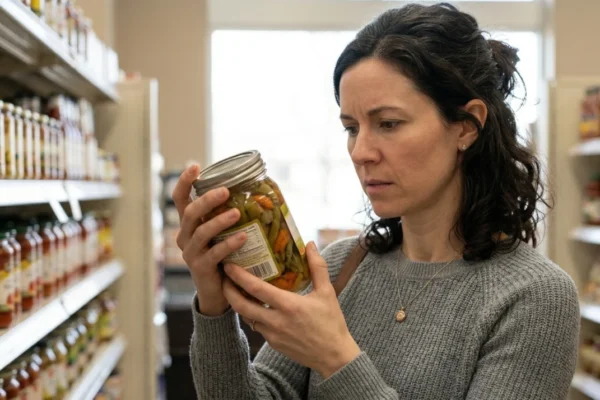
Botulism Causes and Risk Factors in 2026
Historically, we associated this risk primarily with “grandma’s home canning.” While improper home preservation remains a significant factor, the landscape of botulism causes has shifted in 2026. Modern food trends and changes in global supply chains have introduced new variables. Recent FDA investigations and clinical observations have highlighted several emerging risks:
-
Contaminated Supplements: Certain herbal extracts and unregulated “wellness” powders have been linked to toxin production when stored in moisture-trapping packaging or if the raw materials were contaminated with soil.
-
Commercial Recalls: Even large-scale manufacturers can face issues; recent concerns over specific batches of infant formula and plant-based milk alternatives have put parents and healthcare providers on high alert.
-
Artisanal Fermentation: The rise of DIY kombucha, home-brewed beer, and fermented vegetable kits has led to an uptick in cases where pH levels were not properly monitored, allowing spores to germinate.
-
Improper Storage of “Fresh” Foods: Vacuum-sealed smoked fish or potatoes baked in foil and left at room temperature are classic, yet often forgotten, environments where the toxin can flourish.
Identifying Botulism Symptoms: The ``4 Ds``
If you have eaten something suspicious and feel ill, how do you know if it is an emergency? Standard food poisoning usually involves intense nausea, vomiting, and diarrhea. While foodborne botulism may start this way, the hallmark botulism symptoms are neurological and unmistakable once you know what to look for.
How Botulism Signs Differ from Common Poisoning
The primary differentiator is the absence of a fever and the presence of muscle failure. In a typical case of Salmonella, your body’s immune system ramps up, causing a high temperature as it fights the bacteria. With botulism, the toxin quietly shuts down your nerves without necessarily triggering a fever.
Medical professionals often refer to the “4 Ds” of botulism signs, which typically appear in a “descending” pattern—starting at the eyes and moving down toward the lungs and limbs:
-
Diplopia (Double Vision): Or blurred vision that doesn’t resolve with rest. This happens because the small muscles controlling eye movement are among the first to be affected.
-
Dysarthria (Slurred Speech): Difficulty forming words or a thick-tongued feeling as the muscles of the mouth and tongue weaken.
-
Dysphasia (Difficulty Swallowing): A dangerous sign that the throat muscles are not responding, which can lead to choking.
-
Dry Mouth: An intense, “cotton-mouth” dryness that is not relieved by drinking water, often accompanied by a sore throat.
Why Early Detection is Crucial for Survival
When to Call a Doctor: Emergency Treatment Red Flags
Neurological Warning Signs in Adults
Seek emergency treatment immediately if you experience:
-
Ptosis (Drooping Eyelids): One or both eyelids sagging significantly.
-
Generalized Muscle Weakness: A feeling that your limbs are “heavy” or “sinking,” making it difficult to lift your arms or stand up.
-
Shortness of Breath: This is the most critical emergency. If you feel like you cannot take a full breath or your chest feels tight, the toxin may be affecting your diaphragm.
In many cases, the uncertainty of symptoms can be stressful. If you are feeling unwell but are hesitant to head straight to a crowded emergency room, services like Doctor2me can provide a vital first step. Consulting a professional through Doctor2me allows for a rapid clinical screening in the comfort of your home. This helps you determine if your symptoms require an immediate hospital transfer while avoiding the unnecessary stress, long wait times, and infection risks of a physical waiting room.

Infant Botulism: Symptoms Every Parent Should Know
Infants are particularly vulnerable because their digestive systems haven’t yet developed the acidity or the healthy gut flora necessary to kill clostridium botulinum spores. This is why the CDC strictly advises against honey for infants under 12 months.
Watch for these signs in babies, which may appear 3 to 30 days after exposure:
-
Persistent Constipation: Often the very first sign, as the toxin slows down the gut muscles.
-
The “Floppy” Appearance: The baby cannot hold their head up, feels limp in your arms, or has lost their usual muscle tone.
-
Weak Cry: A noticeably different, softer, or “sighing” cry.
-
Poor Feeding: A weak suck, difficulty swallowing milk, or an unusual lack of interest in feeding.
Modern Botulism Treatment and Recovery
Once a diagnosis is suspected, botulism treatment begins with a specialized antitoxin. Jay Krishnan, M.D. notes that while the antitoxin is life-saving, it does not provide instant relief. Its role is to stop the progression of the disease.
-
Antitoxins: For adults, the Heptavalent Botulism Antitoxin (HBAT) is used. For infants, a specific human-derived antitoxin known as BabyBIG (Botulism Immune Globulin) is administered.
-
Supportive Care: If the respiratory muscles are affected, the patient will be placed on a mechanical ventilator to breathe for them. This is often the longest part of recovery.
-
Rehabilitation: Because the body must “re-wire” its nervous connections, many survivors require physical and occupational therapy to regain strength in their limbs and swallowing muscles.
Botulism Prevention: Protecting Your Family
Preventing this disease is significantly easier than treating it. Follow these safety guidelines from the FDA and other health authorities to keep your kitchen safe:
-
Pressure Canning is Mandatory: Standard boiling water baths (212°F) are not hot enough to kill spores in low-acid foods like green beans, carrots, and meats. You must use a pressure canner to reach at least 240°F.
-
The “When in Doubt, Throw it Out” Rule: Never taste food from a can that is bulging, leaking, or rusted. If a jar spurts liquid or foam when opened, or if the food looks discolored or moldy, dispose of it safely.
-
Refrigerate Oils: Garlic-infused oils or herb oils made at home should be kept in the refrigerator and discarded after 4 days. Commercial versions often contain acids to make them shelf-stable, but home versions do not.
-
Potatoes and Foil: If you bake potatoes in aluminum foil, eat them while hot or remove the foil before refrigerating them. Leaving a hot potato in foil at room temperature creates the perfect anaerobic environment for spores.
Common Myths About Foodborne Illnesses
Myth: You can smell botulism in spoiled food.
Fact: The toxin is tasteless, odorless, and colorless. Contaminated food often looks and smells perfectly normal, which is why it is so deceptive.
Myth: Cooking food always makes it safe.
Fact: While the toxin itself can be destroyed by high heat (boiling for 10 minutes), the spores are incredibly heat-resistant. Only pressure canning reaches the temperatures necessary to kill the spores in low-acid environments.
Myth: Botulism is contagious.
Fact: Unlike the flu or a stomach virus, you cannot “catch” foodborne botulism from another person. It is strictly a result of ingesting the toxin or spores.
While botulism is relatively rare, its severity makes it a critical topic for public health awareness. By understanding the specific botulism symptoms and the nature of clostridium botulinum, you can act decisively if the need arises.
Remember, standard gastrointestinal issues shouldn’t involve blurry vision, slurred speech, or profound muscle weakness. If your “food poisoning” starts feeling neurological, every minute counts. Whether you choose to reach out for a preliminary screening through the medical professionals at Doctor2me or head straight to an emergency department, early action is your best defense against this silent but dangerous toxin.
Frequently Asked Questions
What is the main difference between common food poisoning and botulism disease?
While common food poisoning often causes a high fever and severe stomach upset, botulism disease is distinguished by neurological symptoms and the absence of a fever. It specifically targets the nervous system, leading to muscle paralysis rather than just gastrointestinal inflammation.
How quickly do foodborne botulism symptoms usually appear after eating?
Symptoms of foodborne botulism typically manifest within 18 to 36 hours, though the onset can range from a few hours to several days. If you experience early botulism signs like double vision or difficulty swallowing, you should seek emergency treatment immediately to prevent further paralysis.
Can boiling water or standard cooking kill Clostridium botulinum spores?
Regular boiling can destroy the toxin itself, but it is not hot enough to kill the resilient spores of Clostridium botulinum. For effective botulism prevention in low-acid home-canned foods, you must use a pressure canner to reach temperatures of at least 240°F.
Why is honey dangerous for babies but safe for adults?
Infants have immature digestive systems that cannot prevent Clostridium botulinum spores from germinating and producing toxins in their gut. Because this can lead to a life-threatening serious illness, healthcare providers strictly advise against giving honey to any child under one year of age.
Is botulism a contagious illness that can spread between people?
No, botulism is not contagious and cannot be passed from person to person like a cold or the flu. It is a form of poisoning that occurs only through the ingestion of pre-formed toxins, wound contamination, or the growth of spores in a baby’s intestinal tract.
What are the “4 Ds” of botulism symptoms to watch for?
The “4 Ds” include Diplopia (double vision), Dysarthria (slurred speech), Dysphasia (difficulty swallowing), and Dry mouth. These neurological indicators are critical botulism causes for alarm and signify that the toxin is beginning to affect your cranial nerves.
What should I do if I’m unsure if my symptoms are serious?
If you are experiencing neurological red flags, you must go to an emergency room for immediate antitoxin therapy. For those feeling unwell but wanting to avoid the stress of a hospital wait, a consultation through Doctor2me can provide a professional medical screening to determine the urgency of your condition.
Sources Used
- Investigation Update: Infant Botulism Outbreak, November 2025 – CDC — https://www.cdc.gov/botulism/outbreaks-investigations/infant-formula-nov-2025/investigation.html
- Outbreak Investigation of Salmonella: Moringa Leaf Powder (January 2026) – FDA — https://www.fda.gov/food/outbreaks-foodborne-illness/outbreak-investigation-salmonella-moringa-leaf-powder-january-2026
- Botulism – Symptoms and causes – Mayo Clinic — https://www.mayoclinic.org/diseases-conditions/botulism/symptoms-causes/syc-20370262
- Clinical Overview of Botulism – CDC — https://www.cdc.gov/botulism/hcp/clinical-overview/index.html
- Botulism Is Rare Because We Do It Right (February 2026) | UC Master Food Preserver — https://ucanr.edu/program/uc-master-food-preserver-program/article/botulism-rare-because-we-do-it-right-february-2026
- Infant Botulism Treatment and Prevention Program – BabyBIG – CDPH — https://www.cdph.ca.gov/Programs/CID/DCDC/Pages/ObtainBabyBig.aspx
- Package Insert – Botulism Antitoxin Heptavalent (A, B, C, D, E, F, G) – (Equine) – FDA — https://www.fda.gov/media/85514/download
- Clostridium botulinum & Botulism – USDA Food Safety and Inspection Service — https://www.fsis.usda.gov/food-safety/foodborne-illness-and-disease/illnesses-and-pathogens/botulism
- Food Poisoning Symptoms | Food Safety | CDC — https://www.cdc.gov/food-safety/signs-symptoms/index.html
- Botulism – StatPearls – NCBI Bookshelf – NIH — https://www.ncbi.nlm.nih.gov/sites/books/NBK459273/