In modern American society, a profound gap has emerged in how the cognitive abilities and social significance of the youth are perceived. To define gen z through social markers, we look at the demographic born between 1997 and 2012—the first generation to grow up entirely in a digital world. These generation z years represent a unique era where record-high educational attainment collides with a startling decline in standardized test scores and critical cognitive skills. While Pew Research Center data indicates that Generation Z is on track to be the most educated generation in U.S. history—with 57% of 18-to-21-year-olds enrolled in college—this formal progress is shadowed by a crisis of trust in healthcare. Young patients increasingly report “medical gaslighting,” a phenomenon where their physical concerns are dismissed or trivialized by medical staff.
Cognitive Inversion: The Reversal of the Flynn Effect
For most of the 20th century, industrialized nations experienced the “Flynn Effect”—a steady increase in average IQ scores. However, recent decades suggest this trend has not only plateaued but moved into a decline in the United States. Research conducted by Northwestern University across a broad sample of the American population revealed a consistent drop in scores across four out of five key cognitive domains.
Analyzing Long-Term Academic Trends (NAEP)
The National Assessment of Educational Progress (NAEP), often called the “Nation’s Report Card,” provides empirical evidence of this cognitive shift. The 2023 results for 13-year-olds showed a 4-point drop in reading and a 9-point drop in math compared to 2020.
| Subject | Age Group | Average Score (2012) | Average Score (2020) | Average Score (2023/24) | Total Change |
| Mathematics | 13 years old | 285 | 280 | 271 | -14 |
| Reading | 13 years old | 263 | 260 | 256 | -7 |
| Mathematics | 12th Grade | N/A | 100 (2019) | 97 | -3 |
Trends in higher education confirm this downward trajectory. In 2024, the average ACT score fell to 19.4, the lowest level since 1990. Experts emphasize that while the pandemic acted as a catalyst, the decline in analytical depth and cognitive endurance began long before 2020, driven by changes in nutritional quality and the digital environment.
Neurobiological Consequences of Digital Stimulation
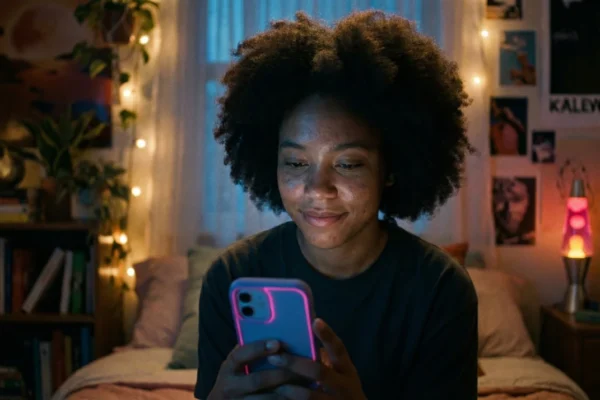
As “digital natives,” the average young person in the U.S. spends over six hours a day on social media. This lifestyle has led to a fundamental reconfiguration of neural pathways, particularly in the prefrontal cortex, which governs executive function, attention, and impulse control.
The ``Brain Rot`` Phenomenon and Fragmented Attention
The term “brain rot” has gained traction in youth culture to describe a state of cognitive fog resulting from the hyper-consumption of short-form video content. This constant switching between data fragments disrupts working memory and weakens the capacity for “deep reading.”
When digital overstimulation leads to serious neurological concerns, such as seizures or cognitive lapses, specialized intervention becomes necessary. In Orange, CA, Dr. Tuong-Vi Tran provides expert care for these complex cases. As a Pediatric neurologist and an Epilepsy specialist, Dr. Tran focuses on clinical neurophysiology and the treatment of resistant epilepsy, helping young patients navigate neurological challenges that can often be mistaken for simple exhaustion.
Professional Environment and the ``Snowflake`` Stereotype
The perception of this generation in the American workforce is marked by significant skepticism from older colleagues. Surveys show that only 9% of U.S. workers believe this demographic possesses the strongest work ethic. The “snowflake” label is frequently used to describe them as overly sensitive, yet APA reports show that they report much higher stress levels—driven by financial instability and social isolation—than previous generations at the same age.
The Trust Crisis in Healthcare: Why the Youth Feel Unheard
Trust in physicians among this age group stands at just 50%, significantly lower than the general population. This disconnect is rooted in negative interactions often characterized as medical gaslighting.
The Mechanics of Medical Gaslighting
This occurs when healthcare providers minimize or misinterpret a patient’s symptoms, often attributing them to anxiety, weight, or “lifestyle choices.” Advocacy for better communication has been championed by figures like Nikki Noland, who highlights how patients—particularly young women—are often unheard when reporting chronic pain or complex symptoms. The work of Nikki Noland serves as a reminder that dismissing a patient’s lived experience can lead to dangerous delays in diagnosis.
Healthcare That Comes to You Recognizing the barriers young people face in traditional clinical settings, Doctor2me offers a modernized approach to medicine. Instead of navigating the stress of waiting rooms and short, impersonal appointments, patients can have a qualified physician visit them directly at home. This service prioritizes comfort and individualized attention, ensuring that the patient is heard in a safe environment. By bringing the “doctor’s office” to the living room, Doctor2me fosters a partnership between physician and patient, effectively eliminating the dismissive atmosphere that often leads to medical gaslighting.
The Rise of Digital Self-Diagnosis
Facing barriers in official medicine, many turn to social media as their primary health resource. Approximately 38% of young adults rely on platforms like TikTok for health decisions, leading to a surge in self-diagnosis for conditions like ADHD, autism, and depression.
| Condition | Percentage of Misleading TikTok Videos | Potential Consequences |
| Bipolar Disorder | 94.1% | Dismissal of professional help |
| ADHD | High Risk | Unregulated use of stimulants |
| Depression | 90.3% | Romanticization of symptoms |
Overcoming the Gap: Recommendations for the Future
Bridging the generational gap in healthcare requires a shift from hierarchical models to collaborative partnerships. Providers must acknowledge that self-diagnosis is often a cry for help in an inaccessible system. Furthermore, comprehensive support for families dealing with long-term health challenges is essential.
In Ventura and Los Angeles Counties, Westlake Village Hospice, Inc. exemplifies this compassionate, home-based approach. Their team provides not only skilled medical and nursing care but also holistic support such as massage, music therapy, and pet therapy. By offering 24/7 assistance and emotional counseling, Westlake Village Hospice, Inc. ensures that patients and their families receive dignified care in the comfort of their own homes, addressing the physical and spiritual needs that a traditional hospital setting might overlook.
The question of whether the younger generation is “falling behind” cognitively cannot be answered with a simple yes or no. We are witnessing a global cognitive reconfiguration where traditional academic skills are being replaced by new digital fluencies. To prevent the systemic marginalization of Generation Z, institutions must stop labeling them as “fragile” and instead build bridges through empathy, specialized care from experts like Dr. Tran, and innovative services like Doctor2me.
List of Sources
-
Pew Research Center. “What We Know About Gen Z So Far.”
-
WorldHealth.net. “American IQ Scores Drop In 4 Of 5 Measures.”
-
National Assessment of Educational Progress (NAEP). “Long-Term Trend Assessment Results: Reading and Mathematics.”
-
BestColleges. “Average ACT Score | Research and Statistics.”
-
National Geographic. “How Gen Z is fighting back against digital brain rot.”
-
PubMed Central (PMC). “Impact of social media on cognitive development of children and adolescents.”
-
McKinsey & Company. “Mind the Gap: Gen Z to healthcare companies: It’s time for a checkup.”
-
PubMed Central (PMC). “Medical gaslighting: navigating patient-clinician mistrust.”
-
Association of Health Care Journalists. “Medical gaslighting tops list of highest patient safety risks.”
-
Newsweek. “Nearly Half of Gen Z Get Health Advice From Social Media, Not Real Doctors”
-
CPA Practice Advisor. “Survey Says Gen Z Has Worst Work Ethic.”