This article is for informational purposes only and does not constitute medical advice, diagnosis, or treatment. Always seek the advice of your physician or other qualified health provider with any questions you may have regarding a medical condition. If you think you may have a medical emergency, call your doctor or 911 immediately.
For psychiatric treatment that requires in-clinic equipment – TMS, SAINT protocol, Spravato – Pasadena patients book directly with the specialty clinic. For follow-up medical visits, medication reviews, and check-ins between psychiatric appointments, an at-home option avoids the trip. Doctor2me physicians visit patients at their address for primary care, with referrals to behavioral health specialists when treatment requires it. The in-home medical services overview covers what the home-based option includes.
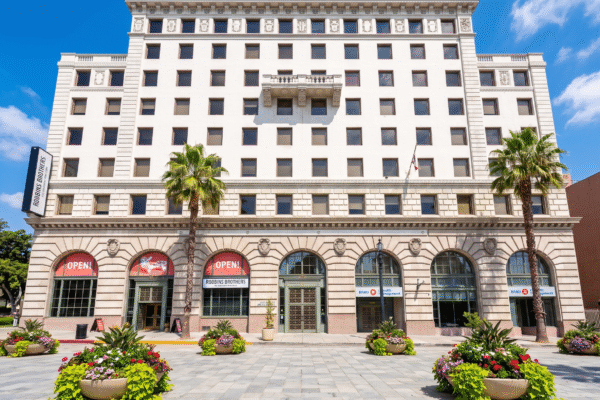
Pasadena Neuropsychiatry & TMS Center is a psychiatric clinic specializing in interventional treatments at 595 E Colorado Boulevard, Suite 602, in Pasadena, California, Los Angeles County.
The clinic is led by Dr. Torang Sepah, MD, and focuses on evidence-based interventional psychiatry – treatments that go beyond traditional medication management. According to the clinic, Pasadena Neuropsychiatry has completed over 20,000 TMS treatments over the last seven years.
The practice operates as both a clinical care facility and an academic hub. Third-year family medicine residents from PIH Downey Hospital complete their four-week psychiatry and substance abuse clerkships at the center.
Center Snapshot
| Detail | Value |
| Address | 595 E Colorado Blvd, Suite 602, Pasadena, CA 91101 |
| County | Los Angeles |
| Phone | (626) 765-6704 |
| Fax | (415) 727-4781 |
| info@tmspasadena.com | |
| Hours | Monday-Friday, 9:00 AM – 5:00 PM |
| Founder | Dr. Torang Sepah, MD |
| Specialization | Interventional Psychiatry, TMS, SAINT Protocol, Spravato |
| Insurance | Accepts insurance and Medicare |
| Parking | Free one-hour street parking |
| Wheelchair Access | Yes (entrance, parking, restroom) |
What Type of Facility Is Pasadena Neuropsychiatry & TMS Center?
Pasadena Neuropsychiatry is a specialty psychiatric clinic – not a general mental health office and not a hospital psychiatric department. The model emphasizes interventional treatments alongside traditional psychiatric care.
This puts Pasadena Neuropsychiatry in a different category from a primary care office that prescribes antidepressants or a community mental health center that focuses on therapy. The clinic treats patients whose conditions have not responded to standard treatments and who need procedural interventions that require clinic-based equipment.
What Treatments Are Available?
BrainsWay dTMS
FDA-Approved BrainsWay Indications at the Clinic
- Treatment-Resistant Depression
- Obsessive-Compulsive Disorder (OCD)
- Anxious Depression
- Smoking Cessation
- Theta-Burst for Treatment-Resistant Depression
BrainsWay is also the only TMS device FDA-approved to treat late-life depression in adults aged 68 to 86 – a meaningful indication for older patients whose options for treatment-resistant depression are often more limited than for younger adults.
SAINT Protocol
Spravato (Esketamine)
The clinic operates as a Spravato Treatment Center. Spravato is an FDA-approved nasal spray esketamine treatment for treatment-resistant depression, administered under medical supervision in qualified clinics.
Standard Psychiatric Care
Alongside interventional treatments, the clinic provides standard psychiatric services including diagnostic evaluation, medication management, and ongoing care for conditions ranging from depression and anxiety to schizophrenia.
GeneSight Testing
The clinic uses GeneSight pharmacogenomic testing, which analyzes how a patient’s genes may affect their response to specific psychiatric medications. The test helps physicians select medications more likely to work for that patient and avoid those more likely to cause side effects.
Reproductive Psychiatry
The clinic has expertise in reproductive psychiatry, including postpartum depression and postpartum psychosis. Dr. Sepah has been recognized as an expert in postpartum psychosis and has appeared on Soft White Underbelly and Dr. Phil discussing this area of practice.
Who Is the Clinic For?
Pasadena Neuropsychiatry treats patients across a range of psychiatric conditions, with a particular focus on cases that have not responded to standard treatment. According to the clinic’s published philosophy, it serves marginalized populations and invests in patients for the long term rather than completing the standard 34-treatment TMS course and discharging.
Patients typically come to the clinic when:
- Standard antidepressants have failed multiple trials
- They have been diagnosed with treatment-resistant depression
- They have OCD that has not responded to therapy and medication alone
- They are experiencing late-life depression (especially adults 68 and older)
- They need a Spravato Treatment Center
- They are interested in pharmacogenomic-guided medication selection
- They are seeking specialized reproductive psychiatry care
The practice describes itself as committed to integration with primary care – coordinating with patients’ primary care physicians and other specialists rather than operating as an isolated mental health silo.
How Does the Clinic Approach Treatment?
Integration with Primary Care
The clinic explicitly emphasizes coordination of care with other treatment team members – primary care physicians, neurologists, OB/GYNs in reproductive psychiatry cases. This is a stated philosophical position rather than a logistical detail: the clinic positions psychiatric treatment as part of a continuum of medical care, not a separate track.
Long-Term Investment in Patients
Standard TMS courses run 34 treatments. Pasadena Neuropsychiatry has stated that it does not view treatment as ending after the standard course. Patients typically continue with maintenance treatment plans, medication management, or follow-up TMS as needed.
Patient Empowerment
How Does Insurance Coverage Work?
The clinic accepts insurance and Medicare. TMS is FDA-approved and covered by most major insurance plans for treatment-resistant depression. Coverage for OCD, anxious depression, and smoking cessation indications varies by plan and may require prior authorization.
For specific insurance verification and out-of-pocket cost expectations, the clinic’s intake team handles benefits checks during the initial consultation process.
When Is Home-Based Medical Care the Right Choice?
Most everyday medical needs do not require a specialty psychiatric clinic. Routine checkups, follow-ups for chronic conditions, urgent issues like infections or minor injuries, and medication reviews can be handled in a home visit without traveling to a clinic.
Doctor2me physicians visit patients directly at the patient’s address for these everyday needs, with referrals to behavioral health specialists like Pasadena Neuropsychiatry when interventional treatment is appropriate. This is especially relevant for older adults with mobility limitations, patients managing multiple medical conditions alongside their psychiatric care, and families coordinating care for an elderly relative.
Patients can pick a specific physician from the Doctor2me provider directory when continuity with a known doctor matters.
Transportation for Patients Traveling to Specialty Care
Specialty TMS clinics like Pasadena Neuropsychiatry draw patients from across Southern California, including Ventura County. For patients with mobility limitations, the drive from Ventura, Camarillo, Thousand Oaks, or Oxnard to Pasadena is too long for regular taxis or rideshare to feel safe – particularly when the patient is making the trip multiple times per week during an active TMS course.
MediZoom Transportation, a veteran-owned non-emergency medical transportation service serving all of Ventura County and surrounding areas, handles this category with gurney, wheelchair, and ambulatory vehicles, door-through-door service, and CPR/First Aid certified drivers. For patients traveling from Ventura County for psychiatric specialty care, this kind of transport removes the logistical barrier that often delays treatment.
What About Older Patients in Major Life Transitions?
A meaningful share of patients seeking specialty psychiatric care – especially those undergoing the BrainsWay protocol for late-life depression in the 68–86 age range – are simultaneously navigating other major life changes. Selling a long-time family home, transitioning to a smaller residence, moving closer to adult children, or coordinating with siblings on a parent’s housing arrangements often happens in the same window as starting a treatment-resistant depression protocol.
These property and estate-related logistics rarely line up neatly with a treatment schedule. The TMS course requires consistency – multiple weekly sessions over six weeks – and a chaotic housing situation can interrupt the protocol at exactly the wrong time.
Specialists such as Senior Home Transitional Services work with families on the property and estate side of these transitions, allowing the patient and family to keep focus on the clinical course rather than juggling housing logistics in parallel.
Where Is the Clinic Located?
Pasadena Neuropsychiatry & TMS Center is at 595 E Colorado Boulevard, Suite 602, in central Pasadena. The location is in Playhouse Village near Old Pasadena and the Pasadena Civic Auditorium, with retail and dining within walking distance.
Free one-hour street parking is available. Access from the I-210, SR-134, and SR-110 freeways is straightforward, making the clinic reachable from much of the San Gabriel Valley and northeast Los Angeles.
The building is wheelchair accessible at the entrance, parking lot, and restroom.
Patients across Pasadena, South Pasadena, Altadena, Arcadia, San Marino, Sierra Madre, La Cañada Flintridge, and Glendale find the clinic within a 10–20 minute drive.