For decades, medical science viewed excess weight primarily as a precursor to metabolic and cardiovascular pathologies. However, the current healthcare landscape in the United States proves that the primary risk factor obesity acts as a fundamental trigger for infectious vulnerability, fundamentally altering the human immune landscape and leaving individuals highly defenseless against viruses and pathogens. In a nation where over 40% of adults suffer from this condition, the consequences of such vulnerability have reached the level of a national health security threat.
Epidemiological Context and the Shift in the Obesity Paradigm in the U.S.
Historically, clinicians focused on the link between excess weight and hypertension or diabetes. Nevertheless, accumulating data confirms that excess body mass is an independent and critical factor in the severity of infectious diseases. The issue of obesity in the US is more acute today than ever: according to research published in The Lancet in 2026, it contributes to one in four deaths from infectious diseases across the country.
Statistics from the Centers for Disease Control and Prevention (CDC) highlight the scale of the problem: the prevalence among children has reached 22.1%, and among adolescents, 22.9%. This trend is shaping a population with an already compromised immune system before they even reach adulthood. This “biological debt” incurred early in life suggests that the next generation may face significantly higher rates of chronic infectious complications.
| U.S. Population Category | Obesity Percentage (2021–2026) | Data Source |
| Adults (20 and older) | 40.3% | CDC FastStats |
| Adolescents (12–19 years) | 22.9% | NHANES |
| Children (6–11 years) | 22.1% | NHANES |
| Children (2–5 years) | 14.9% | CDC |
For patients requiring qualified medical supervision without the need to visit overcrowded hospitals, specialists like Claudine Aguilera, M.D. provide an essential service. Dr. Aguilera offers personalized home-based medical care in St. Augustine, which is particularly vital for individuals with limited mobility and a high body mass index.
The Gut-Lung Axis: How the Microbiome Influences Viral Defense
Recent advancements in immunology have highlighted the “Gut-Lung Axis,” a bidirectional communication system where the state of the intestinal microbiota directly dictates the immune response in the respiratory tract. In a healthy state, diverse gut bacteria produce short-chain fatty acids (SCFAs) that prime alveolar macrophages to fight off viral invaders. However, a diet high in ultra-processed foods—a hallmark of the fast food and obesity cycle—leads to dysbiosis.
This microbial imbalance results in a “leaky gut,” allowing bacterial metabolites to enter the bloodstream and keep the immune system in a state of exhaustion. When a virus hits the lungs, the “exhausted” immune cells cannot mount a localized defense. This makes healthy eating and obesity management not just a lifestyle choice, but a critical intervention to restore the microbial “army” that protects the respiratory lining.
Molecular Mechanisms of Immune Dysfunction: The Role of Adipose Tissue
Human adipose tissue is not merely an inert energy depot; it is an active immunological organ. When the obesity body mass index exceeds critical thresholds, the body enters a state of low-grade chronic inflammation (LGCI). Hypertrophied adipocytes experience hypoxia, leading to the activation of transcription factors such as NF-kB and the subsequent release of pro-inflammatory cytokines.
Immunesenescence: Accelerated Aging of the Immune System
One of the most concerning new findings is that a high obesity body mass index effectively “ages” the immune system. This process, known as immunesenescence, involves the shrinkage of the thymus—the organ where T-cells mature. In obese individuals, the thymus undergoes premature fatty involution, meaning the body produces fewer “naive” T-cells capable of recognizing new viruses. This effectively gives a 40-year-old the immune profile of an 80-year-old, explaining why younger populations with high weight are increasingly appearing in intensive care units.
Viral Mutation Reservoirs: The Hidden Epidemiological Threat
Scientific evidence now suggests that individuals with a high weight may act as unintentional reservoirs for viral evolution. Because the immune response is delayed and less effective, viruses stay in the body for longer periods. This extended “incubation” time allows the virus to undergo more replication cycles, increasing the probability of mutations.
These mutated strains can potentially be more virulent or resistant to standard treatments. Therefore, achieving a healthy bmi number is not only a personal health goal but an act of public service to prevent the emergence of “super-variants” that could trigger future outbreaks.
Physiological Respiratory Changes and Sleep Apnea Synergy
Obesity exerts direct mechanical pressure on the lungs. The accumulation of fat restricts diaphragmatic movement, reducing functional residual capacity (FRC). In addition to these mechanical constraints, Obstructive Sleep Apnea (OSA) frequently coexists with a high obesity body mass index.
OSA causes repetitive drops in blood oxygen levels during the night, leading to chronic intermittent hypoxia. When an obese patient develops a respiratory infection like pneumonia or influenza, their already strained system faces a “hypoxic double-whammy.” The lack of oxygen saturation makes it harder for immune cells to perform energy-intensive tasks, such as phagocytosis (the “eating” of pathogens), leading to faster disease progression.
Accessible Medical Care: Doctor2me
In situations where an acute infection is superimposed on chronic weight issues, it can be extremely difficult for a patient to travel to a clinic. Doctor2me addresses this challenge by arranging for a physician to visit the patient directly. This ensures maximum comfort and safety: a professional examination is conducted at home, eliminating the risk of additional viral exposure and physical exhaustion. For a patient struggling with breathlessness or mobility issues, having a doctor arrive at their doorstep is a transformative standard of care.
Secondary Bacterial Vulnerabilities and Skin Barrier Failure
While the focus is often on viruses, the risk factor obesity significantly increases susceptibility to bacterial infections. Chronic inflammation impairs the function of the skin barrier, particularly in intertriginous areas (skin folds). These areas often have higher temperatures and moisture levels, creating an ideal breeding ground for Staphylococcus aureus and fungal pathogens.
Furthermore, poor peripheral circulation in adipose tissue means that even minor scratches can quickly escalate into cellulitis or deep-tissue abscesses. Monitoring these markers requires precision; services like Onsite Phlebotomy Solutions allow for convenient blood draws to check for elevated white blood cell counts or inflammatory markers right from home, ensuring early detection before a minor infection becomes septic.
Immunization Challenges and the Importance of a Healthy BMI Number
Vaccination effectiveness in the U.S. is declining alongside the excess weight epidemic. Research indicates that for individuals whose healthy bmi number is significantly exceeded, antibody production occurs more slowly, and levels diminish more rapidly.
The technical aspect is also critical: according to PubMed, a standard needle (25 mm) often fails to reach the muscle tissue in obese patients, instead depositing the vaccine into subcutaneous fat where the immune response is sub-optimal. This makes “self-advocacy” essential; patients should confirm that their provider is using the appropriate 38 mm needle for intramuscular delivery.
Clinical Pharmacology and Medical Options for Weight Loss
Obesity fundamentally alters the pharmacokinetics of most medications. Standard antibiotic doses often result in treatment failure due to changes in the volume of distribution (Vd). Current American protocols recommend calculating dosages based on adjusted body weight (AdjBW):
Beyond immediate infection control, there has been a revolution in medical options for weight loss. These interventions are now seen as a way to “reboot” the immune system.

-
Weight loss medicine: Modern injectable medications (GLP-1 agonists) like semaglutide have shown efficacy not just in weight reduction, but in lowering systemic inflammatory markers like C-reactive protein (CRP).
-
Weight reduction drug: New oral formulations are being developed to target the metabolic response of the liver and muscles.
-
Weight loss surgery: Bariatric methods are now recognized for their “metabolic surgery” effect, which can reverse Type 2 diabetes and restore T-cell function within months of the procedure.
For those seeking a comprehensive approach, New Life Medical provides integrative solutions in weight management, helping patients achieve sustainable results through medical supervision and lifestyle modification. Their focus on the whole person ensures that weight loss is achieved safely and effectively.
Environmental Reform and the ``Healthy Cities`` Concept
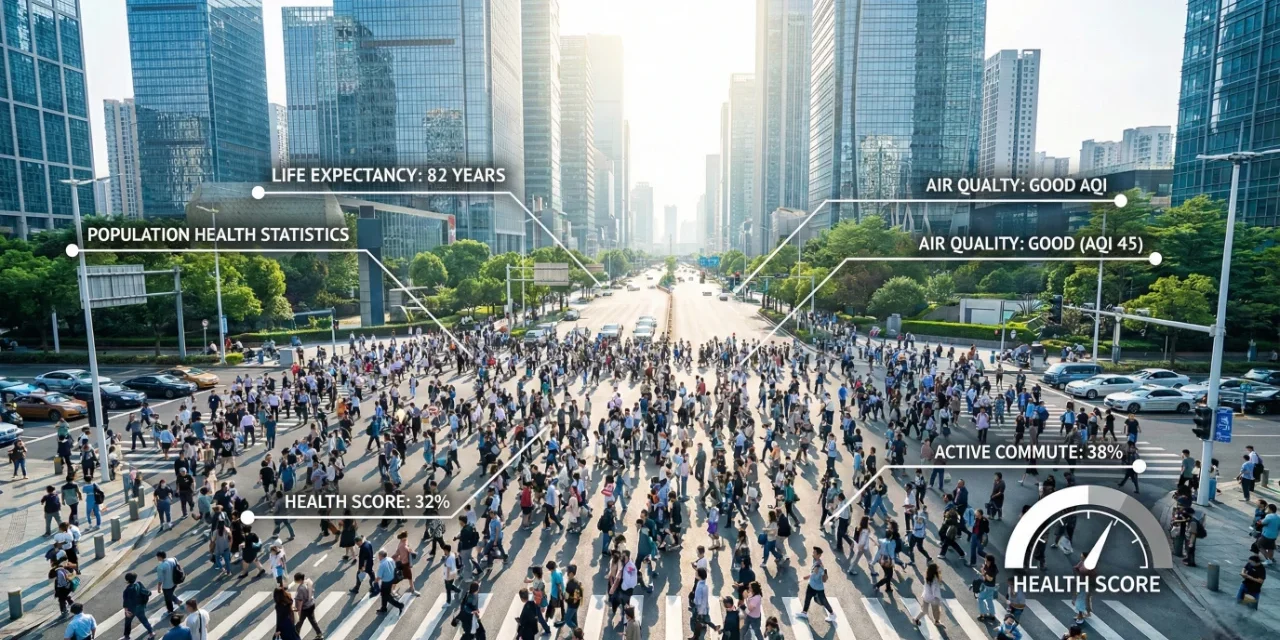
The long-term solution to obesity in the US requires more than just clinical intervention; it requires a redesign of the urban environment. Public health experts are advocating for “Healthy Cities” where walkable neighborhoods and accessible green spaces are the norm rather than the exception. Moving away from the “Food Swamp” model—where fast food is the most convenient option—is essential to lowering the national body mass index. When cities prioritize bike lanes and community gardens, the “environmental risk” of obesity begins to decline, naturally bolstering the population’s resistance to seasonal illnesses.
Economic Consequences and the Long-Term Path to Weight Loss
Infectious vulnerability linked to excess weight has a clear social gradient. According to the World Obesity Atlas 2023, the global economic damage from this issue will exceed $4 trillion by 2035. This cost includes lost productivity, long-term disability from “Long COVID” or post-viral syndromes, and the strain on emergency services.
Investing in prevention and intentional weight loss is now viewed as a strategy for national security. Lowering one’s body mass index by even a few points can radically increase the nation’s resilience to future pandemics, turning a “vulnerable heel” of American healthcare into a zone of stability and health.
Primary Sources
-
PMC — Obesity as a Multifactorial Chronic Disease: Molecular Mechanisms…
-
Drugs.com MedNews — Obesity Linked To 1 In 4 Infectious Disease Deaths In U.S.
-
PMC — A long shot: The importance of needle length in vaccinating patients with obesity…
-
World Obesity Federation — World Obesity Atlas 2023
-
PMC — Obesity Risk Factors Promote Metabolic Reprogramming and Viral Infection in Airways…
-
CDC FastStats — Obesity and Overweight Data
-
PMC — The impact of diabetes and obesity on the severity and mortality of SARS-CoV-2 infection
-
Contagion Live — Obesity Linked to One in Ten Global Infectious Disease Deaths
-
PMC — The Role of Adipokines in Inflammatory Mechanisms of Obesity
-
Scimex — Obesity linked to higher risk of severe and fatal infectious diseases
-
PMC — Adipose tissue inflammation and metabolic dysfunction in obesity
-
Stanford Medicine — Antimicrobial Dosing Protocols for Patients with Obesity
-
PubMed — Updated antimicrobial dosing recommendations for obese patients
-
Health Central — Food Deserts, Snack Swamps, and Obesity
-
World Obesity Day — Economic impact of overweight and obesity to surpass $4 trillion by 2035
-
Immunize.org — Administering Vaccines to Adults: Dose, Route, Site, and Needle Size
-
CIDRAP — Obesity confers 70% higher risk of infection-related severe outcomes