This article is for informational purposes only and does not constitute medical advice, diagnosis, or treatment. Always seek the advice of your physician or other qualified health provider with any questions you may have regarding a medical condition. If you think you may have a medical emergency, call your doctor or 911 immediately.
Expecting a child is a journey filled with joy, planning, and a heightened awareness of one’s health. However, among the many dietary guidelines provided to expectant mothers, food safety stands out as a paramount concern. Specifically, the risk of listeriosis—an infection caused by the Listeria monocytogenes bacteria—is a significant threat that requires immediate attention.
While a healthy adult might experience mild symptoms or none at all, the immune system of a pregnant woman undergoes natural suppressive changes to protect the developing fetus. These changes, unfortunately, make her about 10 times more likely to contract a listeria infection than the general population. Understanding the symptoms of listeria pregnant women may encounter is not just about comfort; it is a critical step in safeguarding the life of the unborn child.
Understanding the Risk: Why Listeria and Pregnancy are a Dangerous Mix
Listeria is a hardy bacterium found in soil, water, and some animals. Unlike many other germs, it can grow in cold temperatures, meaning even refrigerated foods can harbor the pathogen. When a pregnant woman consumes contaminated food, the bacteria can lead to a systemic infection.
The danger lies in the bacteria’s ability to cross the placenta. Even if the mother feels only mildly ill, the infection can lead to severe complications for the baby, including premature delivery, miscarriage, stillbirth, or life-threatening infections in the newborn. This is why recognizing listeria bacteria symptoms at the earliest possible stage is vital.

How Foodborne Infections Affect the Maternal Immune System
During pregnancy, the body’s cell-mediated immunity is naturally downregulated. This biological shift is essential to prevent the mother’s body from rejecting the fetus, which carries foreign genetic material from the father. However, this “immunological truce” leaves the mother more vulnerable to intracellular pathogens like Listeria monocytogenes.
When foodborne infections occur, the body must work twice as hard to clear the pathogen. Research from the Centers for Disease Control and Prevention (CDC) indicates that listeriosis typically manifests in the third trimester when the immune system is most suppressed. A study found that prompt antibiotic treatment can often prevent fetal infection, but this relies entirely on the mother identifying early infections of the gut or flu-like signs.
Recognizing the Symptoms of Listeria Bacteria
Stomach Discomfort vs. Serious Infection Signs
For many, the first sign of trouble is stomach discomfort after eating. While nausea and diarrhea can occur, listeriosis in pregnant women is more frequently “non-invasive” at first, presenting as a febrile illness.
Common symptoms to watch for include:
-
Fever and chills
-
Muscle aches and joint pain
-
Fatigue and general exhaustion
-
Headaches
If the infection spreads to the nervous system (invasive listeriosis), symptoms may escalate to stiff neck, confusion, loss of balance, or convulsions. However, in pregnancy, the “flu-like” presentation is the most common and the most dangerous because it is so easily ignored. Any unexplained fever during pregnancy should be treated as a potential medical emergency.
High-Risk Sources: From Raw Milk to Contaminated Produce
The road to prevention begins with identifying where these bacteria hide. While many associate deadly diseases with exotic locales, listeria is often found in common household staples.
One of the most significant risks comes from raw milk listeria contamination. Unpasteurized milk and dairy products made from it (such as certain soft cheeses like feta, brie, and camembert) are primary vehicles for the bacteria. Unlike pasteurized products, which undergo heat treatment to kill pathogens, raw dairy can harbor active colonies that thrive in the moist, cool environment of a refrigerator.
Beyond listeria in raw milk, other high-risk foods include:
-
Deli meats and hot dogs: These must be steamed hot before consumption.
-
Pre-packaged salads: Listeria can survive the washing process in commercial facilities.
-
Smoked seafood: Often sold refrigerated and labeled as “nova-style” or “lox.”
-
Sprouts: Alfalfa and clover sprouts are difficult to clean thoroughly.
When to Consult a Specialist: Protecting Your Health with Doctor2me
Navigating the complexities of prenatal health requires more than just a list of forbidden foods; it requires expert guidance and rapid diagnostic support. When symptoms arise, waiting for a standard clinic appointment can be stressful.
At Doctor2me, we understand that pregnancy-related concerns don’t follow a 9-to-5 schedule. Our network connects you with highly qualified professionals, such as Cleo Tsolakglou-Williams, who specialize in providing personalized, high-touch care. Whether you are dealing with persistent stomach discomfort after eating or need a professional evaluation of potential foodborne infections, having a dedicated provider ensures that you are not just a number in a waiting room.
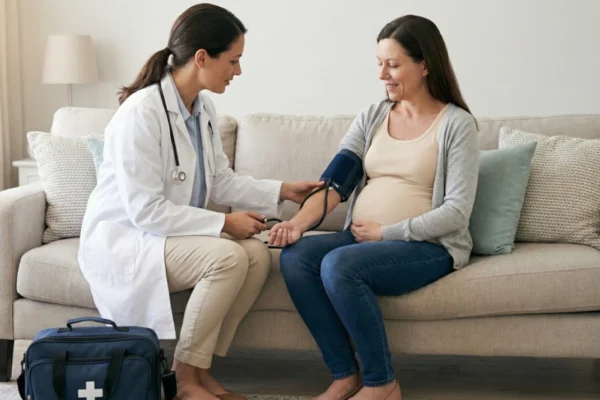
A concierge approach through Doctor2me allows for comprehensive screenings and immediate peace of mind. Experts like Cleo Tsolakglou-Williams focus on the nuances of your immune system health, ensuring that any signs of listeria symptoms are addressed with the clinical urgency they deserve. This proactive model of care is designed to bridge the gap between noticing a “mild” symptom and receiving life-saving intervention.
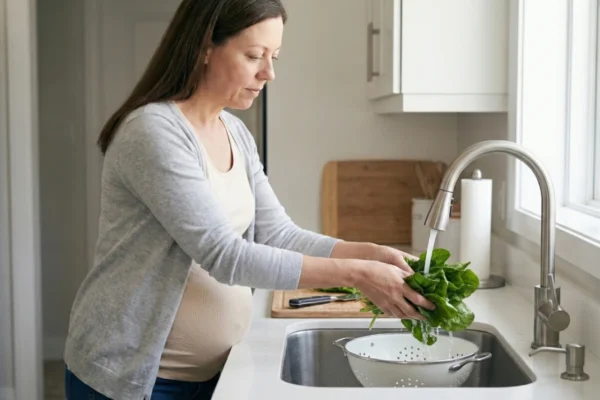
Listeriosis is a formidable opponent, but it is preventable. By maintaining a high standard of food hygiene—avoiding unpasteurized dairy, thoroughly washing produce, and cooking meats to safe temperatures—you significantly reduce your risk.
Remember that your body is navigating a complex biological transition. Symptoms that might seem like a minor food illness in any other context carry different weight during these nine months. By staying informed and partnering with the expert providers at Doctor2me, you can focus on the joy of your pregnancy, knowing you have a professional team ready to protect both you and your baby.