This is for informational purposes only. For medical advice or diagnosis, consult a professional.
Highly processed foods directly harm your heart by causing lasting swelling in your blood vessels and making your blood sugar jump up and down. New medical data shows that these factory-made foods actively ruin the protective inner lining of your blood vessels.
To protect your heart, you need to understand exactly what these foods do to your body. Learning to read food packaging will give you the power to make smart, healthy choices.
Here are the three main ways processed foods harm your heart:
- They cause swelling: Fake ingredients create long-lasting swelling throughout your body.
- They wipe out good bacteria: Chemical mixers destroy the helpful bacteria in your stomach.
- They spike your sugar: Stripped-down ingredients dump sugar into your blood way too fast.
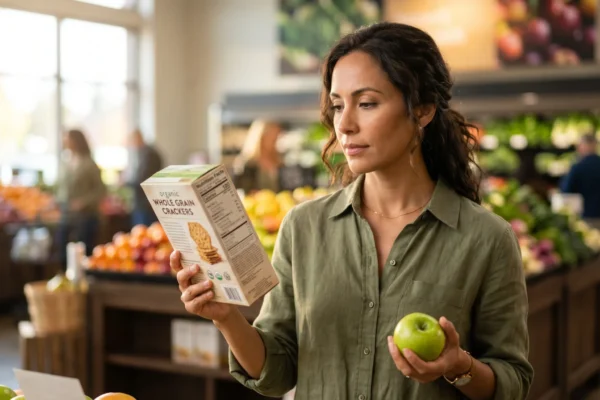
Why Do Processed Foods Speed Up Heart Risks?
Making foods this way completely destroys the natural shape of the ingredients. Because the natural shape is gone, your stomach absorbs these fake parts way too fast. This quick absorption floods your blood with sugar and causes sharp spikes in your insulin.
Over time, this constant up-and-down causes serious problems in your body:
- It attacks your blood vessels: The sugar spikes damage the delicate, thin layer of cells lining the inside of your arteries.
- It breaks your protective shield: These foods break down a tiny, vital shield inside your blood vessels called the glycocalyx.
- It builds dangerous plaque: When your shield is broken, fats easily slip into the artery walls and form hard blockages.
- It ruins your stomach lining: Fake preservatives break the protective slime layer in your intestines, letting toxins leak into your blood.
What Is the Right Diet for Heart Disease?
The DASH Diet for High Blood Pressure and Heart Health
The plan requires a strict cut in salt. This is because about 7 out of 10 times, the salt we eat is hidden in restaurant meals and packaged goods.
Here is a quick look at the main goals of the DASH plan:
| Diet Goal | Daily Limit or Focus | Why It Helps |
| Sodium (Salt) | Under 2,300 milligrams (or 1,500 mg for high risk) | Lowers the physical pressure inside your blood vessels. |
| Potassium | High intake from fresh fruits and vegetables | Helps your blood vessels relax and open up. |
| Whole Foods | Eat lean poultry, beans, and whole grains | Cuts out factory-made, processed foods entirely. |
Sticking to this plan means you have to cut out most processed foods. Changing your diet at home can take a lot of work and planning. For example, families in Pasadena often use services like XL Care Home Health Agency to help with daily chores around the house. This extra help lets people focus all their energy on their new, healthy eating habits.
Mediterranean Principles and Heart Healthy Food Patterns
By trading solid, unhealthy fats for good plant oils, this plan greatly lowers your heart risks. It also protects your body from harmful swelling.
To follow this plan, focus on these key habits:
- Eat extra virgin olive oil: This oil is packed with helpful compounds that fight off damaging molecules in your blood.
- Catch some fish: Eat wild-caught fish a few times a week to get omega-3 fats, which stop irregular heartbeats.
- Skip the red meat: Strictly limit beef and pork to keep unhealthy fats out of your arteries.
- Cut the fake sweets: Completely stop eating fake, added sugars.
How Can You Build a Practical Cardiac Healthy Diet?
Delicious Foods Good for Heart Function
Here is a simple table showing what a heart-protecting day of eating looks like:
| Meal Time | Heart-Healthy Food Idea | The Health Benefit |
| Breakfast | Steel-cut oats topped with crushed walnuts and fresh berries. | Gives you a slow, steady flow of energy without sugar spikes. |
| Lunch | Dark leafy greens, crunchy vegetables, and lean chicken with olive oil. | Provides fiber to grab cholesterol and healthy fats for your heart. |
| Dinner | Baked salmon paired with a side of roasted asparagus. | Delivers a perfect mix of lean protein and omega-3 fatty acids. |
Cooking these fresh meals every day can be hard for people with busy lives or those recovering from an illness. In places like Scottsdale, patients often rely on caring helpers from A Better Solution In Home Care. These helpers make cooking easier and help keep the healing diet on track.
Smart Strategies to Identify Low Sodium Foods
When salt builds up in your blood, it forces your body to hold onto extra water. This extra water puts a huge amount of physical pressure on the thin walls of your blood vessels. When cooking at home, put the salt shaker away completely.
Try these simple swaps to make your food taste great without the salt:
- Squeeze fresh citrus: Lemon or lime juice adds a bright, fresh flavor to chicken and fish.
- Crush raw garlic: Fresh garlic gives food a deep, savory taste and offers antioxidants.
- Use fresh herbs: Basil, cilantro, and rosemary wake up your taste buds naturally.
- Skip the restaurant: Buy raw ingredients straight from the grocery store to control exactly what goes into your body.
How Do You Decode the Nutrition Facts Label?
Spotting Hidden Sugars and Harmful Additives
Eating too much sugar creates harmful compounds in your blood that physically stiffen your artery walls. You must look at the ingredient list very closely before putting any item in your shopping cart. Watch out for these hidden dangers on the label, as shown in recent medical research on destructive food additives:
| Hidden Danger | Where You Usually Find It | How It Harms Your Body |
| High-Fructose Corn Syrup | Sodas, fruit drinks, and sweet snacks. | Stiffens your artery walls and makes your heart work much harder. |
| Artificial Food Dyes | Brightly colored candies, cereals, and drinks. | Shows the food is highly processed and missing real nutrients. |
| Synthetic Nitrates | Deli meats, hot dogs, and cured bacon. | Turns into harmful compounds in your stomach that damage your blood vessels. |
| Industrial Emulsifiers | Packaged baked goods and creamy dressings. | Ruins your healthy gut bacteria and speeds up damage to your arteries. |
Using the NOVA Classification System for Grocery Shopping
Here are the four NOVA groups to help you choose every day:
- Group 1: Unprocessed, whole foods straight from nature.
- Group 2: Culinary ingredients used just for cooking.
- Group 3: Processed foods that mix the first two groups simply.
- Group 4: Ultra-processed, factory-made foods packed with chemicals.
For a closer look, use this simple guide to plan your grocery trips:
| NOVA Category | What It Means | What You Should Do |
| Group 1: Unprocessed | Parts of plants or animals changed only by freezing, drying, or boiling. | Make these the main part of your diet. |
| Group 2: Culinary Ingredients | Natural items like olive oil and sea salt used just to cook Group 1 foods. | Keep your portions small and careful. |
| Group 3: Processed Foods | Simple mixes of Group 1 and 2, naturally saved without fake chemicals. | Great for convenience if the ingredients are simple. |
| Group 4: Ultra-Processed | Foods packed with chemical additives, fake flavors, and refined parts. | Cut these out of your routine entirely. |
By making sure most of your grocery cart is filled with Group 1 and Group 2 items, you safely shield your heart. Skipping Group 4 foods is the single strongest step you can take to stop health problems. Sticking to this simple framework makes shopping easy and ensures your daily habits actively support your body.
How to Keep Up with Smooth Heart Health Management?
Luckily, there are highly effective medical choices made to put your comfort and safety first. Using a service like Doctor2me lets you get expert medical check-ups right in the safety and privacy of your own home.
By bringing a trusted doctor straight to your living room, you skip the stress of traffic and the risk of catching germs in crowded waiting rooms. This personal, direct-care approach perfectly matches your new, healthy diet. It ensures your path to a healthy heart stays calm, focused, and totally unbroken.
Frequently Asked Questions
What exactly are ultra-processed foods?
Ultra-processed foods are factory-made items loaded with artificial dyes, synthetic preservatives, and hidden sugars. These products, such as packaged snacks and sugary drinks, fall into Group 4 of the NOVA classification system and actively harm your cardiovascular system.
Are all processed foods bad for your heart?
No, minimally processed items and simple culinary ingredients, like plain canned tomatoes or whole grain bread, can be part of a healthy lifestyle. The real danger comes from ultra-processed convenience meals that use industrial chemical additives and destroy the natural structure of the ingredients.
How does the DASH diet help with high blood pressure?
The DASH eating plan lowers blood pressure by focusing on nutrient-dense foods that are rich in potassium, calcium, and magnesium. By strictly limiting your daily sodium intake, this evidence-based diet naturally reduces the physical pressure placed on your delicate blood vessels.
What is the easiest way to identify low sodium foods?
The best strategy is to shop for raw, unprocessed fruits and vegetables straight from nature, as they inherently contain almost no salt. When cooking at home, put away the salt shaker and use fresh herbs, raw garlic, and citrus zests to build healthy, delicious flavor profiles.
Can eating whole foods reverse vascular inflammation?
Yes, switching to a cardiac healthy diet based on Mediterranean principles can greatly reduce systemic inflammation and help prevent arterial plaque. Eating plenty of soluble fiber, lean proteins, and healthy plant-based oils actively supports the protective inner lining of your heart over time.