This is for informational purposes only. For medical advice or diagnosis, consult a professional.
Acid reflux happens when stomach acid flows back up into the food pipe. When it happens often, it is called gastroesophageal reflux disease, or GERD. This is very common in older adults, and it can be more serious in seniors than in younger people. The good news is that most cases get better with simple changes, the right foods, and safe treatments. This guide explains the signs to watch for and when it is time to see a doctor.
If the burning will not stop, you do not have to wait days for an appointment. In Pasadena, a Doctor2me doctor can come to your home, often the same day. You can also choose your own doctor through the Doctor2me network and set up a visit that fits your schedule.
What Is GERD, and Why Are Seniors at Higher Risk?
Acid reflux versus gastroesophageal reflux disease
The body changes with age, and that raises the risk. The muscle at the bottom of the food pipe can get weaker over time. Many seniors also take several medicines, and some of these can make reflux worse. As the NIDDK explains, extra weight and certain habits can add to the problem too.
Why reflux can be more serious with age
GERD Symptoms in Older Adults
Common heartburn symptoms
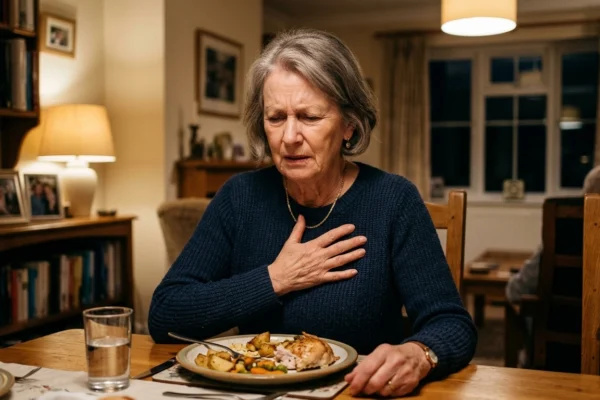
- A burning feeling in the chest, often after eating
- A sour or bitter taste in the mouth
- Food or liquid coming back up into the throat
- A feeling of fullness or bloating
- Pain that gets worse when lying down or bending over
Silent or unusual acid reflux symptoms
- A long-lasting dry cough
- A hoarse voice or sore throat
- Trouble swallowing
- A feeling of a lump in the throat
- Chest pain that can be mistaken for heart trouble
Because these signs are easy to miss, GERD in seniors is sometimes found late. If you notice any of them often, it is worth talking to a doctor.
Foods and Habits That Trigger Reflux
Gastroesophageal reflux disease foods to avoid
- Fried and fatty foods
- Spicy dishes
- Tomatoes and tomato sauce
- Citrus fruits and juices
- Coffee, tea, and other drinks with caffeine
- Chocolate and peppermint
- Carbonated and fizzy drinks
You do not have to give up every food at once. Experts now say you only need to avoid the foods that bother you. Keep a simple food diary to learn your own triggers.
Simple habits that help
GERD Treatments That Work
Acid reflux medications
- Antacids, which calm acid quickly for mild, short-term relief
- H2 blockers, which lower how much acid the stomach makes
- Proton pump inhibitors, which are stronger and help the food pipe heal
Older adults should always check with a doctor before starting acid reflux medications. Some can affect other drugs or are not meant for long-term use. Johns Hopkins Medicine notes that the right plan depends on how severe the GERD is.
When stronger GERD treatments are needed
When to Worry and See a Doctor
Frequently Asked Questions
What is the difference between acid reflux and GERD?
Acid reflux is the backward flow of stomach acid that many people feel now and then. GERD is acid reflux that happens often and causes problems. If you have heartburn symptoms more than twice a week, it may be GERD.
What does GERD feel like in older adults?
Seniors may not feel the classic burn. Their acid reflux symptoms can show up as a dry cough, hoarse voice, trouble swallowing, or chest pain. Because these signs are easy to miss, GERD is sometimes found late in older adults.
Which foods make acid reflux worse?
Common gastroesophageal reflux disease foods to avoid include fried foods, spicy dishes, citrus, tomatoes, coffee, chocolate, and fizzy drinks. Triggers differ from person to person. A food diary can help you spot your own.
Are acid reflux medications safe for seniors?
Many acid reflux medications are safe when used correctly. However, some are not meant for long-term use and can affect other drugs. Older adults should talk to a doctor before starting or staying on these medicines.
When should I worry about heartburn?
See a doctor if heartburn happens often, or if you have trouble swallowing, weight loss, vomiting, or blood. Chest pain with sweating or shortness of breath is an emergency. These signs need quick medical care.