This is for informational purposes only. For medical advice or diagnosis, consult a professional.
The landscape of ocular health in 2026 has been significantly impacted by a major federal safety alert. The FDA has recently expanded its recall list to include several popular over-the-counter (OTC) lubricant eye drops due to identified risks of bacterial contamination. For the community in Pasadena, where many residents rely on these products to combat the dryness caused by the local climate and seasonal winds, understanding the implications of this recall is a vital step in preserving long-term vision.
When a product meant to provide relief becomes a source of infection, the results can be devastating. Contaminated eye drops introduce pathogens directly to the delicate surface of the eye, bypassing many of the body’s natural defenses. If you have been using lubricating drops and have noticed a sudden change in your comfort level or visual clarity, it is essential to act quickly to prevent permanent complications.
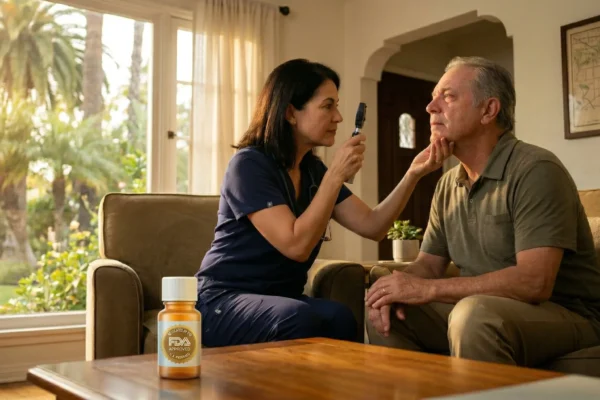
The Scope of the 2026 Eye Drop Recall
| Category of Concern | Identifying Features | Safety Action |
| Lubricant Eye Drops | Multi-dose bottles without advanced seals | Stop use immediately |
| Artificial Tears | Lot numbers starting with “26-B” or “26-C” | Check FDA database |
| Redness Relievers | Generic labels from major retail chains | Discard if listed on recall |
Many people find the task of navigating a medical recall while dealing with physical discomfort to be deeply stressful. For those who are in pain and find it difficult to drive to a clinic, mobile medical services such as Doctor2me provide a way to receive a professional evaluation without the need to leave the house. This approach helps patients avoid the bright lights and traffic of Pasadena when their eyes are most sensitive.
Symptoms of an Eye Infection from Eye Drops
Red Flags to Watch For
- Unusual Discharge: If you notice yellow, green, or thick white mucus that makes your eyelids stick together in the morning, this is a clear sign of a bacterial presence.
- Intense Redness: Unlike the mild pink hue of a tired eye, an infection often causes a deep, angry red color in the “whites” of the eyes.
- Light Sensitivity: If the Southern California sun feels unbearable or if looking at a computer screen causes sharp pain, the cornea may be inflamed.
- Swelling: Puffiness of the eyelids or the tissue surrounding the eye is a common response to a pathogen.
When these symptoms appear, the need for a professional eye doctor for eye infection symptoms becomes urgent. Bacteria can move quickly across the surface of the eye, and delay in treatment can lead to scarring of the cornea, which may result in permanent vision loss.
Navigating the Challenges of Home Care
During an infection, hygiene is paramount. The following table outlines a basic protocol for home safety:
| Action Item | Why It Matters | Frequency |
| Hand Washing | Prevents spreading bacteria to the other eye | Before and after any eye contact |
| Pillowcase Changes | Reduces the risk of re-infection overnight | Daily |
| Discarding Cosmetics | Mascara and eyeliner can harbor bacteria | Immediately upon suspicion |
| Cool Compresses | Soothes inflammation and reduces swelling | 3-4 times per day |
The Science of Bacterial Contamination
The goal of professional treatment is to identify the specific pathogen and initiate the use of eye drops for bacterial infection that are specifically formulated to eliminate that strain. Unlike OTC drops, these are prescription-strength and must be used exactly as directed by a healthcare professional to ensure the infection is completely cleared.
Advanced Diagnostics and Clearer Answers
Choosing FDA Approved Eye Drops Safely
- Check the “Seal of Quality”: Only use products that are clearly labeled as fda approved eye drops. You can verify these through the FDA’s official drug database.
- Avoid Third-Party Online Sellers: Many of the products involved in the 2026 recall were sold through unregulated online marketplaces. Stick to established pharmacies in Pasadena that maintain strict quality control.
- Single-Use Vials: If you have chronic dry eyes, consider switching to single-use, preservative-free vials. These are discarded after one use, which significantly reduces the risk of bacterial growth over time.
Preventing the Spread of Pathogens
A Reassuring Path Forward
If you are unsure about the safety of your current eye care routine, do not hesitate to reach out to a professional. Whether through a home visit or a trip to a local specialist, getting the right answers early is the key to a full and healthy recovery.
Frequently Asked Questions
What are the primary symptoms of an eye infection from contaminated eye drops?
Common signs include unusual yellow or green discharge, persistent redness, and increased sensitivity to light. You may also experience significant aching pain or blurred vision, which require immediate evaluation by a healthcare professional to prevent long-term complications.
How can I check if my current lubricating drops are part of the 2026 FDA recall?
Residents should cross-reference their product’s lot number and expiration date with the official FDA safety alert database to see if their brand is affected. If your specific artificial tears are listed, stop using them immediately and place the bottle in a sealed bag to prevent accidental use by others.
Can eye irritation caused by bacterial contamination lead to permanent vision loss?
Yes, untreated bacterial keratitis or endophthalmitis can cause rapid scarring of the cornea and irreversible damage to ocular tissues. Early diagnosis and the administration of prescribed antibiotic eye drops for bacterial infection are critical steps in preserving your sight.
What is the difference between standard dry eye discomfort and a serious infection?
While standard dryness feels like a minor gritty or itchy sensation, a serious infection often involves deep pain, noticeable swelling of the eyelids, and thick discharge. If your eye irritation does not improve with rest or if you notice visible mucus, you should consult an eye doctor for eye infection assessment promptly.
Are there safe, FDA-approved eye drops available to replace the recalled products?
Yes, many reputable manufacturers offer sterile, FDA-approved eye drops that strictly adhere to federal manufacturing and safety standards. To minimize the risk of future contamination, it is often recommended to choose single-use, preservative-free vials from established local pharmacies.
Sources Used
- Drug Recalls – FDA
- Taking Care of Your Eyes – CDC
- Common Types of Eye Infections: Symptoms and Treatment – American Academy of Ophthalmology