This is for informational purposes only. For medical advice or diagnosis, consult a professional.
For many residents in Pasadena, the routine is all too familiar: following a low-sodium diet, staying active, and taking multiple prescriptions, yet the numbers on the monitor refuse to budge. If you find yourself wondering why my blood pressure is still high on medication, you are not alone. In fact, current clinical data from 2025 and 2026 suggests that a significant percentage of patients struggle with uncontrolled hypertension despite strict adherence to their treatment plans.
When standard approaches fail to produce results, the frustration can be overwhelming. The feeling of being “stuck” with a high reading, even after a morning dose, creates a cycle of stress that only further complicates vascular health. Understanding the hidden mechanisms behind this resistance – particularly the role of the brain – is the first step toward regaining control.
Understanding the ``Resistant`` Label
The prevalence of apparent treatment-resistant hypertension (aTRH) is notable, affecting roughly 6.41% of adults currently treated for high readings in the United States. For these individuals, the risk of cardiovascular events, such as stroke or heart failure, remains elevated, making it essential to identify the underlying “driver” of the resistance.
Hypertension Comparison: Common vs. Resistant
| Feature | Standard Hypertension | Resistant Hypertension (aTRH) |
| Typical Medication Load | 1 to 2 medications | 3 or more medications |
| Primary Cause | Lifestyle, genetics, age | Neurogenic drivers, secondary conditions |
| Response to Treatment | Predictive and steady | Unpredictable or “stubborn” |
| Risk of Complications | Managed with control | High without targeted intervention |
| Monitoring Needs | Occasional office visits | Frequent, high-precision monitoring |
The Brain-Heart Connection: A New Frontier
Studies from late 2025 have identified microstructural changes in the brain’s white matter, specifically involving “free water” accumulation. This suggests that low-grade neuroinflammation might be a primary reason for uncontrolled hypertension. When the brain’s internal environment is compromised, it cannot properly regulate the signals that tell the heart to slow down or the vessels to relax.
Finding answers in these complex cases often requires a more comprehensive look at a person’s overall physical health. For many, the journey to finding these answers involves navigating a fragmented healthcare system. When the path forward is unclear, some individuals find it helpful to seek out specialized diagnostic support from community resources such as Gentry Imaging to help their medical team gather the detailed information necessary for a more nuanced care plan.
Updated 2025 AHA/ACC Guidelines
- The PREVENT Calculator: This new tool has replaced older risk models. It emphasizes kidney health (eGFR) and social determinants of health, providing a more accurate picture of how high blood pressure will impact an individual over 10 or 30 years.
- The 120/80 Standard: For those with treatment resistant hypertension, the target is no longer “good enough.” Aiming for a reading below 120/80 is the current gold standard for preventing long-term damage to the brain and kidneys.
- Focus on Neuroprotection: Because of the link between the brain and the heart, doctors are now prioritizing treatments that protect the brain’s delicate vessels from the “pounding” effect of high systemic pressure.
Why Does Blood Pressure Stay High on Medication?
- Secondary Causes: Conditions like primary aldosteronism (a hormonal imbalance) or obstructive sleep apnea are frequent “hidden” culprits.
- The “Non-Dipping” Phenomenon: Healthy blood pressure should drop at night. If yours stays high while you sleep, it places a massive strain on your system.
- The Salt-Sensitivity Loop: Some individuals have a genetic makeup that makes their brain and kidneys hold onto salt more aggressively, neutralizing the effects of many common medications.
Managing these factors requires consistent data. However, the logistical burden of constant doctor visits can be a significant barrier. The sheer effort of coordinating travel through the traffic of Pasadena can lead to missed appointments and gaps in care. To ease this burden, some residents find that coordinating with transit services such as MediZoom Transportation, LLC provides a reliable way to ensure they reach their various consultations without the added physiological stress of driving themselves.
The Importance of Home Monitoring
- Avoids “White Coat” Spikes: Many people experience a temporary surge in pressure when they enter a clinic. Home readings provide a more “honest” look at your daily average.
- Identifies Trends: Seeing how your body reacts to stress, meals, or poor sleep helps your care team adjust your protocol with precision.
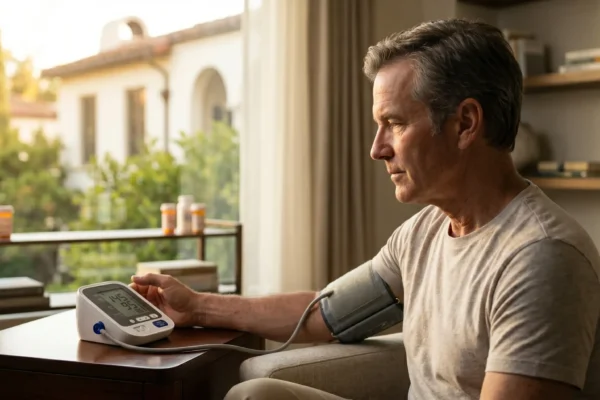
- Empowers the Patient: Being an active participant in your data collection helps demystify why your blood pressure is still high after taking medication on certain days versus others.
Blood Pressure Categories for 2026
| Category | Systolic (Top Number) | Diastolic (Bottom Number) | Action Required |
| Optimal | Less than 120 | and Less than 80 | Continue healthy habits |
| Elevated | 120-129 | and Less than 80 | Lifestyle modification |
| Stage 1 Hypertension | 130-139 | or 80-89 | Evaluation of therapy |
| Stage 2 Hypertension | 140 or higher | or 90 or higher | Immediate medical review |
| Hypertensive Crisis | Higher than 180 | and/or Higher than 120 | Emergency care needed |
Reducing Stress Through Home-Visit Care
This is where the support of a service like Doctor2me becomes a valuable part of a modern health strategy. By bringing the clinical expertise directly to your door, the home-visit model helps remove the physical and emotional friction associated with medical care. Being evaluated in the comfort of your own home not only provides more accurate baseline readings but also supports the brain’s ability to stay in a “rest and digest” state. This personalized approach ensures that the focus remains on your recovery, rather than the hurdles of the healthcare system.
Sustainable Lifestyle Strategies for Pasadena Residents
- DASH Diet Mastery: Focusing on potassium-rich foods like avocados and leafy greens helps the body balance the effects of sodium.
- Mindful Movement: Pasadena offers beautiful outdoor spaces. Even a 20-minute walk in a shaded park can improve the elasticity of your arteries.
- Sleep Quality: Addressing snoring or restless sleep can significantly lower your morning blood pressure readings.
- Vascular Support: Ensuring your body has the right nutrients to support the endothelial lining of your blood vessels.
Frequently Asked Questions
What should I do if my blood pressure is still high after taking medication?
First, ensure your technique for measuring at home is correct – sit quietly for five minutes with your feet flat on the floor before taking a reading. If the numbers are consistently high, contact your care provider to discuss a potential “work-up” for secondary hypertension.
Why is my blood pressure high only in the mornings?
This is often related to a “morning surge” caused by the body’s natural release of hormones like cortisol and adrenaline. It can also be a sign of untreated sleep apnea.
Can stress alone cause resistant high blood pressure?
While stress is rarely the only cause, chronic activation of the stress response can make standard medications much less effective by keeping the nervous system in a state of high alert.
How often should I monitor my blood pressure at home?
For those with resistant cases, doctors often recommend “the rule of sevens”: take readings twice in the morning and twice in the evening for seven consecutive days before a scheduled review.
By staying informed and proactive, managing resistant high blood pressure becomes a more achievable goal. Combining the latest neurogenic research with a calm, home-centered approach to care provides the best path forward for long-term health and peace of mind.
Sources Used
- PubMed: https://pubmed.ncbi.nlm.nih.gov/41778325/
- PubMed: Hypertension promotes neuroinflammation, brain injury and cognitive impairment
- PubMed (PMC): Updates in the 2025 AHA/ACC Hypertension Guideline
- Dr. Oracle: What are the 2025 American Heart Association (AHA) guidelines for blood pressure management in adults with hypertension?