This is for informational purposes only. For medical advice or diagnosis, consult a professional.
Keeping your bones strong comes down to a few daily habits: eat enough calcium and vitamin D, do weight-bearing exercise, and avoid smoking and heavy drinking. Your bones are living tissue that changes all the time. Good habits help you build strong, healthy bones when you are young and slow the natural loss that comes with age. It is never too early or too late to protect your bones and lower your risk of breaks later in life.
Small changes add up. And if you want personal advice, a home visit can help you review your risks without a trip to a busy office. With Doctor2me, a doctor can come to your home, and you can even choose your own doctor through the provider network.
Why Bone Strength Matters
How Your Bones Change Over Time
What Weakens Bones
Feed Your Bones the Right Nutrients
Calcium for Strong Bones
Vitamin D for Strong Bones
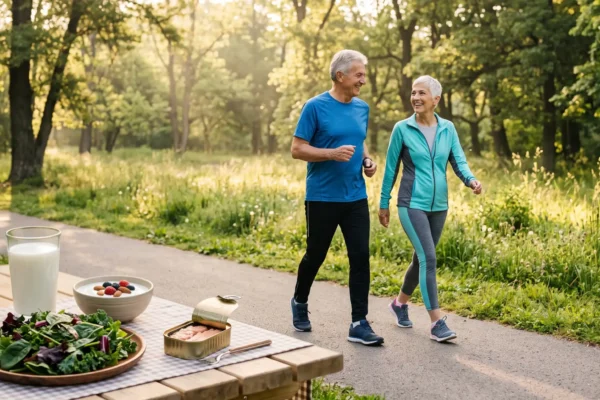
Foods to Build Strong Bones
- Milk, yogurt, and cheese (low-fat versions have the same calcium)
- Canned salmon and sardines with the soft bones
- Leafy greens like kale, collards, bok choy, and turnip greens
- Tofu, almonds, and beans
- Fortified orange juice, soy milk, and cereals
If dairy is hard for you, calcium from these other foods still counts. Reading labels for added calcium and vitamin D makes it easier to reach your daily goal.
Move to Build Bone Density
Weight-Bearing Exercise
Balance Work to Prevent Falls
Everyday Habits That Protect Your Bones
Quit Smoking and Limit Alcohol
Get Safe Sun and Know Your Levels
Protect Your Bones at Every Age
Younger Adults and Peak Bone Mass
Midlife and Menopause
Do Not Forget Protein and Movement
When to Check Your Bone Health
Getting Expert Help
Simple habits, checked in with the right care, keep your bones working for you for decades. Strong bones are built one meal, one walk, and one healthy choice at a time.
Frequently Asked Questions
What foods help build strong bones?
Dairy foods like milk, yogurt, and cheese are top sources of calcium. Canned salmon and sardines with the bones, leafy greens, tofu, almonds, and fortified juices and cereals also help. Pairing these with enough vitamin D lets your body use the calcium to build bone.
How much calcium and vitamin D do I need each day?
Most adults ages 19 to 50, and men up to 70, need about 1,000 mg of calcium daily, while women 51 and older and men 71 and older need about 1,200 mg. For vitamin D, adults 19 to 70 need about 600 IU a day, and those 71 and older need about 800 IU. A doctor can tell you if you need a supplement.
What exercises make bones stronger?
Weight-bearing exercises work best because they make your muscles pull on your bones. Brisk walking, jogging, dancing, stair climbing, tennis, and light weight training all help. Aim for these at least 3 days a week, for more than 90 minutes total.
Can you rebuild bone density after 50?
You cannot fully turn back bone loss, but healthy habits can slow it and help protect the bone you have. Enough calcium and vitamin D, regular weight-bearing exercise, and quitting smoking all support your bones at any age. A bone density test can show where you stand.
Does walking count as weight-bearing exercise?
Yes. Brisk walking is a simple, low-cost weight-bearing exercise that helps keep bones in the hips, legs, and spine strong. It is a good choice for people of all ages, including older adults who need a gentler routine.