This is for informational purposes only. For medical advice or diagnosis, consult a professional.
If you keep getting red, scaly, itchy patches on your scalp or face that fade and then return, you may have seborrheic dermatitis. This is a common, long-term skin condition that causes flaky, greasy patches on oily areas of the body. It is not contagious and does not harm your overall health, but it tends to come and go in flare-ups throughout life. There is no cure, but medicated shampoos, creams, and good skin care can keep it well controlled.
Getting a stubborn skin problem checked should not mean a long wait in a clinic. In and around Pasadena, you can use Doctor2me to choose your own doctor and have care come to your home, often the same day, with no waiting room and no lines.
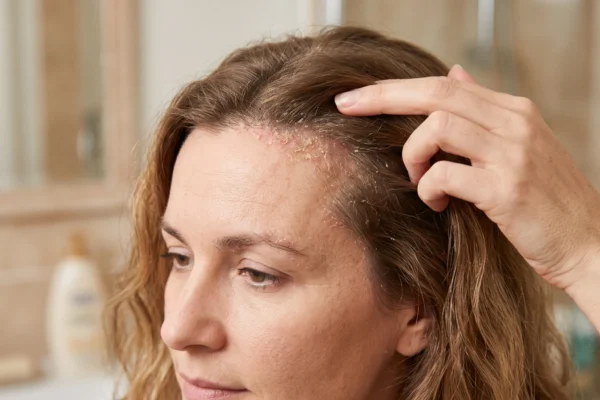
What Is Seborrheic Dermatitis?
A Common, Recurring Skin Condition
Anyone can get it, but it is more common in men, in infants, and in adults after age 30. Because it is a chronic skin condition, the goal is not to cure it but to manage it: to shorten flare-ups, ease the itchy skin, and keep the flaking under control so it does not affect your confidence or daily life.
Where It Appears on the Body
- Scalp, hairline, and behind the ears
- Face, especially the eyebrows, eyelids, and creases beside the nose
- Chest and upper back
- Skin folds under the breasts, arms, or groin
Symptoms of Seborrheic Dermatitis
- Dry or greasy scalp flaking (dandruff)
- White to yellow flakes or scales
- Thick, scaly patches of skin
- Redness, or patches that look darker or lighter depending on your skin tone
- Mild to intense itching
Seborrheic Dermatitis on the Scalp
Seborrheic Dermatitis on the Face
What Causes Seborrheic Dermatitis?
Yeast, Oil, and the Immune System
Common Triggers
- Stress and fatigue
- Cold, dry weather or a change of season
- Harsh soaps, solvents, or alcohol-based skin products
- Oily skin and heavy alcohol use
Some health conditions, such as Parkinson’s disease and a weakened immune system, also raise the risk. Knowing your own triggers can help you avoid flare-ups and enjoy longer clear stretches.
Seborrheic Dermatitis vs Eczema and Similar Conditions
How Seborrheic Dermatitis Is Diagnosed
Treatment and Everyday Care
Scalp Treatment
It often takes a little trial and error to find the product and routine that work best for your skin, so give each plan a few weeks before switching. Once your scalp clears, keeping up a maintenance routine, even just using a medicated shampoo once or twice a week, helps prevent the next flare.
Face and Body Treatment
Living With Seborrheic Dermatitis and When to See a Doctor
Frequently Asked Questions
How do you get rid of seborrheic dermatitis?
There is no cure, but you can control it. For the scalp, use a medicated dandruff shampoo with an ingredient like selenium sulfide, zinc, or ketoconazole, and leave it on for a few minutes before rinsing. On the face and body, gentle antifungal or mild steroid creams and good skin care help clear flare-ups.
What is the main cause of seborrheic dermatitis?
The exact cause is not fully known, but it is linked to a yeast called Malassezia that lives on the skin, along with excess oil and how the immune system reacts. It is not caused by poor hygiene and is not contagious. Stress, fatigue, and cold, dry weather can trigger flare-ups.
What is mistaken for seborrheic dermatitis?
Seborrheic dermatitis is often mistaken for psoriasis, eczema, rosacea, or a fungal infection, since they can look similar. Psoriasis tends to be thicker with silvery scales, while eczema is drier and itchier. A doctor can tell them apart and confirm the diagnosis.
Is seborrheic dermatitis a fungal disease?
It is not a true fungal infection, but a yeast (Malassezia) that lives on the skin plays a role in it. That is why antifungal shampoos and creams often help control it. It is an inflammatory skin condition rather than a spreading fungal disease.
Should I wash my hair every day if I have seborrheic dermatitis?
Regular washing helps remove the oil and flakes that feed the condition, so many people benefit from frequent shampooing with a medicated product. Follow the directions on your shampoo, since some are used daily and others a few times a week. Your provider can suggest the right schedule for you.
What should you not do with seborrheic dermatitis on the scalp?
Try not to scratch or pick at the scales, since that can break the skin and lead to infection. Avoid harsh, alcohol-based products and very hot water, which can dry and irritate your scalp. Do not stop your medicated shampoo the moment the flakes clear, because the condition tends to return.