This is for informational purposes only. For medical advice or diagnosis, consult a professional.
Successfully managing congestive heart failure at home during the critical 30 days after hospital discharge requires a combination of strict daily weight tracking, careful vital sign monitoring, and immediate adherence to a low-sodium diet.
By utilizing a structured three-zone action plan and recognizing early warning signs, patients can effectively stabilize their condition and prevent dangerous fluid accumulation. This proactive approach allows individuals to recover safely in their familiar surroundings while significantly reducing the risk of a hospital readmission.
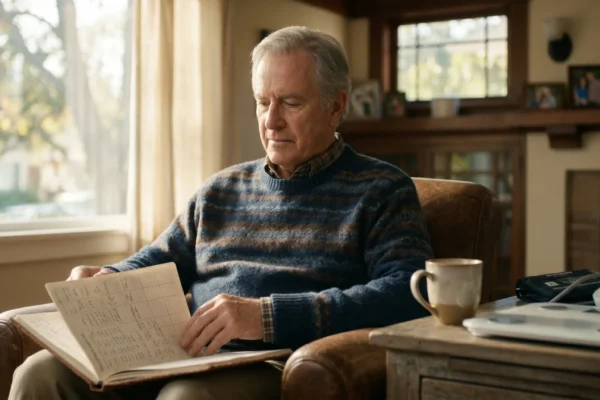
Why Are the First 30 Days Post-Discharge the Most Critical?
Primary Complications That Threaten Home Recovery
Which Essential Health Metrics Must You Track Every Day?
To gather the right tools for your home care station, look for precise digital options. Patients may frequently source their daily monitoring equipment independently from local vendors like “Medlife Medical Supply, Inc” to ensure they have medical-grade tools on hand. Recording these numbers daily helps your medical team spot dangerous trends early.
Evaluating Blood Pressure and Peripheral Edema Trends
Caregivers should gently press on the ankles and shins daily to look for deep indentations left by the fingers. Catching these physical heart failure symptoms early allows for swift outpatient adjustments. This simple physical check prevents fluid from traveling upward toward the chest area.
Which Automated Parameters Inform Your Daily Care?
| Vital Sign Metric | Standard Monitoring Frequency | Baseline Target Consideration |
| Weight | Once every morning | Stable within 1-2 pounds |
| Blood Pressure | Twice daily (morning and evening) | Rested baseline per physician guidance |
| Heart Rate | Twice daily alongside blood pressure | 60-100 beats per minute at rest |
Maintaining a comprehensive log of these parameters bridges the gap between home recovery and clinical oversight. It empowers families to make data-driven decisions alongside their healthcare providers. According to the Centers for Disease Control and Prevention, consistent documentation is a foundational element of successful home monitoring.
How Does the Three-Zone Action Plan Keep You Safe?
| Action Zone | Patient Symptoms and Criteria | Required Action Steps |
| Green Zone (Stable) | Stable weight. No chest pain or worsening shortness of breath. Normal daily activity tolerance. Ability to sleep flat. | Continue daily weighing. Faithfully follow your therapy schedule. Maintain low-sodium habits. |
| Yellow Zone (Caution) | Weight gain of 2-3 pounds in a day or 5 pounds in a week. New dry cough. Increased shortness of breath with mild activity. Ankles swelling. | Contact your physician immediately for professional guidance. They may promptly adjust your fluid management therapies. |
| Red Zone (Emergency) | Weight gain of over 5 pounds a week with severe distress. Shortness of breath while resting. Inability to lie flat. Pink, frothy sputum. | Call emergency services right away. Seek immediate, urgent medical attention at the nearest hospital. |
If your daily metrics shift into the cautionary yellow zone, your doctor may request additional outpatient diagnostics to look for congestive heart failure fluid in lungs. Patients sometimes choose to independently visit local diagnostic centers, such as Gentry Imaging, to fulfill these urgent orders quickly. This helps secure clear answers without navigating a crowded emergency room unnecessarily.
What Nutrition and Lifestyle Rules Prevent Fluid Overload?
To maintain excellent dietary boundaries, implement these practical habits:
- Eliminate canned soups, frozen meals, and packaged snacks from your kitchen entirely.
- Utilize fresh herbs, citrus juices, and garlic to enhance food flavor without using salt.
- Measure all liquid intake throughout the day, including water, coffee, and soups.
- Inspect nutrition labels closely before buying any commercial grocery products.
Certain common items in the average medicine cabinet pose severe risks for individuals recovering from heart failure. Over-the-counter painkillers can cause rapid fluid retention and interfere with your heart management goals. Always consult your physician before taking any new supplement, vitamin, or over-the-counter pill.
Staying up to date with seasonal respiratory vaccinations is another vital protective measure for your cardiovascular system. Managing these strict lifestyle modifications can be physically and emotionally demanding for families. Some families utilize independent services like 911 AM PM Home Health care to secure reliable assistance with low-sodium meal preparation and basic household tasks.
Where Can You Find Local Cardiovascular Resources in Pasadena?
To build a strong local support system, consider these advanced resources:
- The Webster Heart & Vascular Center at Huntington Health provides multi-phased cardiac rehabilitation and monitored exercise programs.
- The Keck Medicine of USC Pasadena Clinic delivers specialized management for complex arrhythmias and advanced cardiac care.
- Dedicated private practices focus heavily on remote monitoring tools that track internal fluid changes before they become visible.
While these medical centers offer excellent clinical oversight, they do not manage a patient’s daily household needs or personal errands. Individuals recovering at home often coordinate personal assistance through independent groups such as XL Care Home Health Agency to ensure a hazard-free environment. This helps patients maintain their independent living goals safely.
Traveling to frequent follow-up appointments can be physically exhausting and exposes vulnerable individuals to crowded waiting rooms. For those seeking a convenient, highly private approach, a service like Doctor2me can be an excellent option. Allowing a qualified physician to visit you directly in your Pasadena home minimizes travel stress and supports a seamless recovery.
How Can You Ensure Long-Term Health and Stability at Home?
To keep your health completely stable, focus on these core pillars:
- Maintain unwavering consistency with your morning weigh-ins and blood pressure logs.
- Keep your three-zone chart posted prominently on your refrigerator for quick access.
- Adhere strictly to your low-sodium dietary boundaries and fluid limitations every day.
- Communicate openly with your healthcare team at the first sign of physical changes.
Living with a chronic cardiovascular condition is a significant life adjustment that requires patience and dedication. By staying highly organized and utilizing local support systems effectively, you can avoid unnecessary hospital visits. You can look forward to a stable, comfortable, and fulfilling life right in your Pasadena home.
Frequently Asked Questions
What are the early signs of heart failure to watch for at home?
The earliest indicators often include subtle changes like a persistent dry cough, swelling in your ankles or shins, and increased shortness of breath during mild physical activity. Tracking these early signs of heart failure daily helps you catch physical decompensation before it requires an emergency room visit.
Why is sudden weight gain dangerous for congestive heart failure patients?
A sudden increase in weight, such as two to three pounds in a single day, is typically the first indicator of rapid fluid retention rather than muscle or fat gain. If left unmanaged, this excess fluid can quickly travel upward, resulting in congestive heart failure fluid in lungs, which causes severe breathing difficulties.
How much sodium can you safely have when managing congestive heart failure?
To prevent dangerous fluid accumulation and reduce stress on your heart muscle, patients are typically advised to keep their daily sodium consumption under 2000 milligrams. This requires completely eliminating processed items, reading nutrition labels carefully, and measuring all liquid intake throughout the day.
What should I do if my heart failure symptoms move to the cautionary yellow zone?
If your daily metrics or physical health status shift into the yellow zone, you must contact your physician immediately for professional guidance. They can safely adjust your fluid management therapies over the phone or order local outpatient diagnostics to assess your cardiac function and prevent a hospital readmission.
Can I take over-the-counter pain relievers during home recovery?
No, common over-the-counter painkillers, especially non-steroidal anti-inflammatory options, can cause your body to rapidly retain sodium and water. This directly counteracts your prescribed treatments and can severely worsen your underlying signs and symptoms of heart failure. Always consult your physician explicitly before taking any new supplement, vitamin, or over-the-counter pill.