This is for informational purposes only. For medical advice or diagnosis, consult a professional.
Waking up exhausted and confused is not just a normal part of aging. In Pasadena, many older adults discover these issues are signs of sleep apnea, a condition where breathing stops and starts during the night.
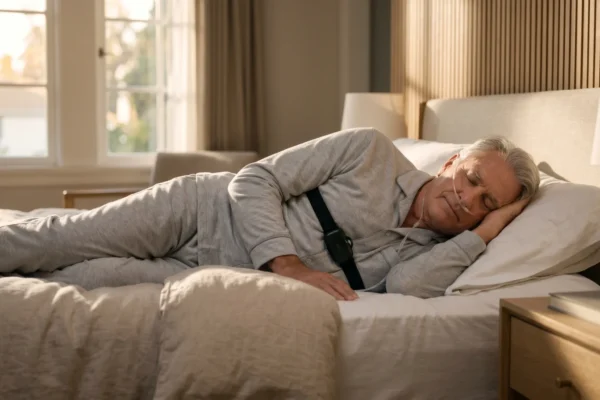
A professional sleep evaluation is necessary when seniors wake up 3 to 5 times a night, experience heavy morning brain fog, or struggle with sudden memory loss. For maximum comfort, doctors can order an overnight sleep study at home, allowing seniors to be tested in their own beds using simple monitoring equipment.
This silent breathing problem steals vital oxygen from the body every single night. Over time, it causes a chain reaction of health issues that can harm everything from daily physical movement to memory retention. Research shows that up to 60-65% males and 25-35% females aged 65 and older suffer from some form of obstructive sleep apnea. Learning how this problem affects older people differently is the first critical step toward getting better.
By setting up a complete assessment, individuals can find out exactly why they are waking up. This early step helps protect the heart and the brain from long-term damage. Catching the condition early brings back truly restful nights and restores daytime energy.
Why Do Breathing Problems Look Different As We Age?
Because of these physical body changes, the normal signs of this condition shift into something much harder to spot.
Older adults do not usually wake up with scary choking sounds. Instead, their main problem is highly broken, scattered rest. They might toss and turn, wake up feeling wide awake at 3 AM, and struggle to get back to bed. This makes it very easy for people to think they are just dealing with normal aging.
Comparing the Signs: Young vs. Older Adults
| Physical Sign | Typical in Younger Adults | Typical in Older Adults |
| Nighttime Sounds | Loud, choking gasps and heavy snoring | Quiet breathing stops, mild snoring |
| Sleep Quality | Sleeping deeply but waking up tired | Highly broken rest, tossing and turning |
| Daytime Feeling | Falling asleep while driving or working | General brain fog and lack of energy |
| Main Complaint | “My partner says I snore too loudly.” | “I just cannot stay asleep at night.” |
Sneaky Symptoms: Endless Bathroom Trips and Morning Fog
Here is the exact chain of events that wakes you up:
- The throat muscles relax too much and block the air.
- The lungs pull hard to get oxygen, creating chest pressure.
- The heart gets confused and thinks the body has too much fluid.
- The heart sends a chemical signal to the kidneys.
- The kidneys quickly make urine, forcing you to wake up and go to the bathroom.
Many people think this is just a normal bladder issue that comes with getting older. Because of this mix-up, they miss the clear need for a proper sleep assessment.
Protecting Your Memory and Mind
Studies from major medical groups like the Mayo Clinic show a strong link between bad rest and major memory loss. Watch out for these specific mental signs:
- Forgetting recent conversations or names.
- Getting angry or frustrated very easily.
- Feeling dizzy or unbalanced during the day.
- Having a hard time focusing on simple tasks.
These memory problems are often mistaken for early dementia. In many cases, they happen simply because the brain is starving for oxygen night after night.
When Is It Time to Book a Professional Sleep Assessment?
Is It Normal Aging or Is It Apnea?
| Common Situation | Normal Aging | Warning Sign of Apnea |
| Bathroom Trips | Waking up once a night to use the restroom. | Waking up 3 to 5 times every single night. |
| Daytime Naps | A short 20-minute nap after a busy morning. | Falling asleep instantly while watching TV every afternoon. |
| Morning Routine | Taking a few minutes to stretch and wake up. | Waking up with a dry mouth and a pounding headache. |
Taking the First Steps: The Clinical Questionnaire
The standard form will ask you to rate things like:
- The exact size of your neck.
- How often you feel tired while sitting quietly.
- Whether anyone has seen you stop breathing at night.
- Your current body weight and height.
By looking at these answers, doctors can quickly see if the person needs more testing. This is a very helpful first step that does not involve any painful tests.
If the older adult has a history of heart issues, high blood pressure, or strokes, a fast sleep screening is a must. Catching the breathing stops early can stop major heart problems and make everyday life much more enjoyable.
Booking an at-home medical visit through Doctor2me is a smart way to start this process. It cuts down on travel stress, skips crowded waiting rooms, and helps avoid catching winter bugs from other sick patients.
Should You Test at Home or Go to a Clinic?
The Ease of Testing in Your Own Bed
A normal sleep study take home kit comes with a few basic parts:
- A small, soft tube for the nose to track how much air moves in and out.
- A stretchy band for the chest to watch how hard the body works to breathe.
- A tiny clip for the finger to check the exact oxygen levels in the blood.
- A small recording box that saves all the information.
The biggest plus here is staying in your own bed. Older people often sleep poorly in new places, which can mess up the test results. Testing at home gives the doctor a true picture of a normal night.
After getting a diagnosis, making the home environment safe is another step people often take. Some families in the local area might go to Medlife Medical Supply, Inc to find general daily living aids like safety bars or basic walking canes. These general safety items are totally separate from the breathing tests, but they help make the home safer overall.
When You Need a Deep Lab Check
If an older adult has serious lung issues, heart failure, or nerve problems, a simple home test might miss important details. In these tricky cases, a full sleep lab test is required. This deep check happens inside a real sleep medical center.
Here, a trained worker watches the patient all night long from another room. This lab setting records everything from eye movements to heartbeats, making sure no physical detail is ever missed. It provides the most complete picture of your nighttime health.
How Can You Build Better Habits After Testing?
Getting Used to Breathing Devices
Teeth also play a big role in nighttime breathing. Missing teeth changes the shape of the jaw. This can make the lower jaw fall backward, pushing the tongue into the airway.
Study shows that wearing well-fitted dentures at night helps support the jaw. For people who just cannot wear an air mask, custom mouthpieces that move the jaw forward slightly are a great, easy option.
Keeping the Body Moving for Better Rest
Top Daily Habits for Better Rest:
- Stop drinking water at least 2 hours before bed to prevent bathroom trips.
- Keep a strict bedtime schedule, even on the weekends.
- Sleep on your side instead of your back to keep the airway open.
- Get at least 30 minutes of sunlight every morning to set your body clock.
For overall body wellness and keeping active, joining a local walking group or getting movement guidance at a place like FUNCtherapy helps keep an older person physically strong. Staying active during the day tells the body it is time to rest deeply at night. You need physical effort during the day to trigger the natural hormones that bring on deep sleep when the sun goes down.
Fixing bad rest takes a careful eye and quick action. The small signs – like an afternoon energy crash or endless bathroom trips at night – should never be ignored. By getting an accurate test early on, seniors across Pasadena can protect their minds, keep their hearts strong, and get the peaceful sleep they truly need.
Frequently Asked Questions
Can an older adult do a sleep study at home instead of a clinic?
Yes, an overnight sleep study at home is highly effective and much more comfortable for most older adults. These compact testing kits track oxygen saturation and airflow while you rest in your own bed, completely avoiding the stress of an unfamiliar medical center.
Why do seniors with sleep apnea wake up to use the bathroom so often?
When the airway collapses, the intense effort to breathe creates pressure in the chest that tricks the heart into thinking the body holds too much fluid. The heart then signals the kidneys to produce urine, causing frequent nighttime bathroom trips medically known as nocturia.
How do you know if memory loss is from aging or oxygen deprivation?
Sudden brain fog, irritability, and trouble focusing are often the direct results of a fragmented rest cycle rather than early dementia. A thorough sleep assessment will easily confirm if chronic breathing pauses are starving the brain of vital oxygen during the night.
What is a clinical sleep questionnaire used for?
A sleep questionnaire is a simple screening form doctors use to evaluate daily fatigue levels, neck circumference, and airway risk factors. This non-invasive step establishes a medical baseline to determine if you need advanced monitoring devices to check for respiratory obstruction.
What happens if a home sleep screening does not give a clear diagnosis?
If a home kit cannot fully capture complex respiratory or heart conditions, a physician will order a comprehensive sleep lab test. This advanced in-lab polysomnography tracks detailed brain waves and cardiac rhythms to provide an exact, granular picture of your nighttime health.