This is for informational purposes only. For medical advice or diagnosis, consult a professional.
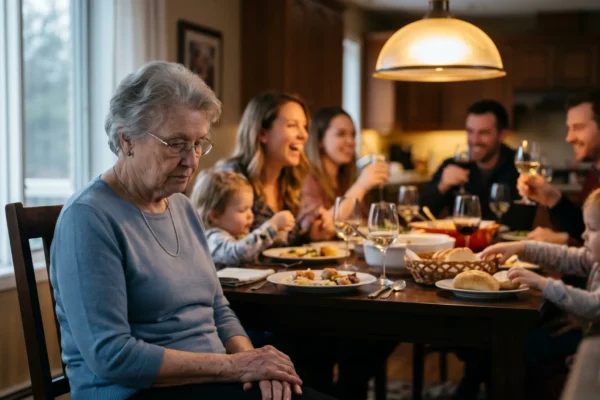
Yes, depression in the elderly significantly accelerates physical and functional decline. Recent clinical data from 2025 and 2026 shows that late-life depression isn’t just a mental health issue – it’s a biological aging accelerator. Seniors suffering from major depressive disorder (MDD) often exhibit a “Biological Age Acceleration” (BAA) of up to 4 years compared to their peers. This cellular aging leads to a 40% higher risk of mobility issues, chronic pain, and frailty.
When depression and cognitive decline occur together, the risk of developing permanent disability or dementia triples. Addressing these symptoms early through specialized home care and medical support is essential for preserving independence.
The Biological Cost: How Depression Acts as an Aging Accelerator
Recent studies using proteomic clocks – a 2026 standard for measuring biological age – demonstrate that depression speeds up cellular decay. High levels of pro-inflammatory cytokines like IL-6 and C-reactive protein (CRP) circulate in the blood, leading to “inflammaging.” This process weakens muscle fibers and reduces bone density, making a sign of depression in elderly patients not just a change in mood, but a visible loss of physical strength.
This biological tax often results in functional decline. A senior who was once active may find it difficult to perform basic tasks, not because of a primary physical injury, but because their body is biologically older than their chronological age suggests.
Signs and Symptoms of Depression in the Elderly You Shouldn’t Ignore
Key indicators that require attention include:
- Unexplained Physical Pain: Persistent headaches, digestive issues, or joint pain that doesn’t respond to typical treatments.
- The “Failure to Thrive” Syndrome: A noticeable weight loss, refusal to eat, and a general withdrawal from social life.
- Cognitive Fog: Difficulty concentrating or remembering appointments, which families often mistake for normal aging.
- Sleep Disturbances: Either sleeping too much or struggling with early-morning awakening.
- Apathy and Fatigue: A profound lack of energy that prevents them from engaging in daily hygiene or chores.
If you notice a sign of depression in elderly family members, it is crucial to consult a professional. What looks like “slowing down” is often a treatable medical condition.
The Link Between Depression and Cognitive Decline
Many patients experience cognitive decline from depression, a state sometimes called “pseudodementia.” In these cases, the person appears to have memory loss, but the underlying cause is the brain’s inability to process information due to MDD. However, if these episodes are frequent, they can lead to permanent aging and cognitive decline.
According to Mayo Clinic research, identifying signs of depression in older people early can significantly slow the progression of memory-related issues. By treating depression, we can often “clear the fog,” improving both mood and mental sharpness.
Mental Health Month in Pasadena: Local Resources and Strategies
For families in the San Gabriel Valley, navigating late life depression requires a multi-layered approach. It’s not enough to simply provide a pill; the environment must support physical safety and social engagement.
Practical Steps for Pasadena Families:
- Safety First: Depressed seniors have a much higher risk of falls due to slowed reflexes and lack of focus. Implementing home safety modifications with experts like Call Before You Fall can prevent the physical trauma that often follows a depressive episode.
- Consistent Care: Isolation is the enemy of mental health. For example services such as A Better Solution In Home Care ensures that your loved one needs consistent social interaction, which naturally boosts mood and prevents functional decline.
- Active Engagement: Encourage attendance at local Pasadena senior centers where peer support can help destigmatize the conversation around mental health.
Combating the Decline:The Power Of Food
Nutrition and the MIND Diet
- Berries and leafy greens (antioxidants to fight inflammaging).
- Omega-3 fatty acids from fish (to support brain plasticity).
- Reducing processed sugars (which spike inflammation).
The Strength of Resistance Training
Sensory Care
Making Healthcare Accessible
Doctor2me offers a more compassionate alternative by bringing expert medical care directly to your home in Pasadena. A home visit allows the doctor to see the patient in their natural environment, identifying subtle signs of depression in older adults that might be missed in a rushed office setting. This approach reduces the risk of secondary infections and ensures that the focus remains entirely on the patient’s comfort and long-term recovery.
Conclusion: Investing in Mental Health for Physical Longevity
By staying vigilant for the signs of depression in elderly relatives and utilizing the specialized resources available in our community – from home safety assessments to professional caregiving – we can ensure that our loved ones don’t just age, but thrive.
Frequently Asked Questions
What are the early signs and symptoms of depression in the elderly?
Late-life depression often hides behind physical complaints like chronic pain or persistent fatigue rather than typical sadness. Families should watch for “failure to thrive” indicators, such as sudden weight loss, social withdrawal, or a lack of interest in previously enjoyed hobbies.
How does late life depression cause physical and functional decline?
Chronic depression triggers systemic inflammation that acts as a biological aging accelerator, damaging muscle fibers and bone density. This biological tax makes seniors 40% more likely to experience functional decline, significantly hindering their ability to perform daily activities independently.
Can depression and cognitive decline be mistaken for dementia?
Yes, a condition known as “pseudodementia” often occurs where major depressive disorder causes severe brain fog and memory issues that mimic early-stage Alzheimer’s. While these symptoms are often treatable, long-term untreated depression can lead to permanent aging and cognitive decline, eventually increasing the risk of actual dementia.
What is the most effective way to support a senior with major depressive disorder?
The first step is ensuring a safe environment with home modifications to prevent falls, as depression often impairs coordination and reflexes. Combining consistent social interaction through professional home care with a specialized medical plan can help reverse the cycle of isolation and physical decay.
Where can families find specialized mental health support for seniors in Pasadena?
Pasadena residents can access local resources through Huntington Hospital or participate in community wellness events at Victory Park. For a more personalized approach, Doctor2me provides home-based medical consultations throughout the San Gabriel Valley, allowing doctors to assess signs of depression in older adults without the stress of a clinic visit.
Sources Used
- Depressed, and Aging Fast – UConn Today
- Adults with Depression Develop Physical Illnesses 30% Faster – EMJ
- Depression (major depressive disorder) – Symptoms and causes – Mayo Clinic
- Relating Depression, Anxiety, Stress and Loneliness to 5-Year Decline in Physical Function and Frailty – PMC
- The relationship between chronic pain and health-related quality of life: the mediating roles of frailty and depression in chronic disease patients – PMC