This is for informational purposes only. For medical advice or diagnosis, consult a professional.
Yes, absolutely safe alternatives exist for our older residents. Older adults can effectively manage chronic discomfort using targeted physical therapies, localized nerve treatments, and specific non opiate painkillers that do not rely on habit-forming narcotics.
The medical approach in Southern California now prioritizes these safer methods to protect cognitive health and preserve physical independence. This comprehensive guide explores exactly how families can build a sustainable relief plan without relying on risky prescriptions.
For decades, the healthcare system heavily relied on strong systemic prescriptions to address severe joint and nerve conditions. However, recent data from the Centers for Disease Control and Prevention indicates a clear need for safer, more localized protocols. According to a highly detailed CDC data brief from 2023, exactly 36.0% of adults aged 65 and older experience persistent physical discomfort.
Furthermore, 8.5% of this demographic suffer from high-impact conditions that severely restrict basic daily activities.
In Pasadena, an area with a remarkably strong focus on proactive community health, the therapeutic paradigm has completely shifted. The primary goal is to provide sustainable relief that protects the aging brain and delicate internal organs from adverse side effects.
This involves a highly personalized approach to pain management that treats the root cause rather than just masking the symptoms. Doctors and specialists are confidently stepping away from the outdated narcotic model.
Why Is The Aging Nervous System So Sensitive?
This functional change means the spinal cord and the brain become exceptionally hyper-reactive to incoming nerve signals. Younger adults possess robust natural inhibitory pathways that act like a volume dial, helping to turn down the intensity of physical distress.
Unfortunately, these natural neurological defenses often weaken considerably with age. When older individuals take strong narcotics to suppress these amplified signals, the physiological risks almost always outweigh the temporary benefits.
The Direct Impact on Cognitive Function
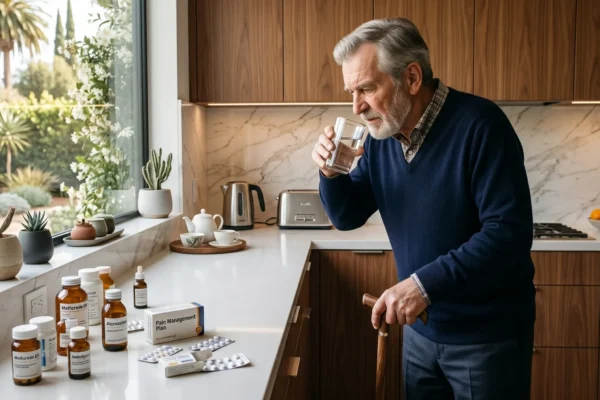
Medical research on senior care clearly highlights that unmanaged physical distress combined with high doses of narcotics are critical predictors of delirium in seniors. The complex interplay between physical discomfort and cognitive decline creates a highly dangerous cycle for the patient.
Caregivers and family members must remain highly vigilant about specific cognitive red flags when strong prescriptions are used:
- Sudden episodes of unexplained confusion or spatial disorientation.
- Noticeable, abrupt changes in daily sleep patterns and overall mood.
- Decreased physical awareness leading to minor trips or balance issues.
This vicious cycle perfectly explains why older residents require much safer, non-habit-forming paths to wellness. Switching to alternative therapies can often reverse these negative cognitive side effects within a matter of weeks. Providing a completely safe, drug-free foundation is absolutely crucial for long-term recovery and stability.
Which Effective Non Opiate Painkillers Are Available?
When seniors look for a daily solution to get out of bed comfortably, they often seek out safe non opiate painkillers. The main clinical goal is to target specific nervous pathways without causing the severe sedation associated with heavy narcotics.
Options Beyond Traditional Prescriptions
They deliver targeted relief directly to the aching knee or lower back without affecting the rest of the body.
To clarify how these safe alternatives function, consider this breakdown of modern therapeutic categories:
| Treatment Category | Primary Mechanism of Action | Common Application Method |
| Nerve-Calming Agents | Balances central neurotransmitters safely | Supervised daily oral regimen |
| Topical Analgesics | Bypasses internal organs entirely | Direct application via creams or patches |
| Structural Supports | Reduces mechanical strain on joints | Wearable braces and compression gear |
These localized topical applications successfully bypass the liver and the fragile digestive system entirely. However, navigating the local pharmacy aisles can be a highly daunting task for families trying to help their loved ones.
While many older adults intuitively reach for standard over the counter pain pills, extreme medical caution is always necessary. Conventional non-steroidal anti-inflammatory drugs pose severe, scientifically documented risks to the aging stomach lining and kidneys.
Finding Safe Medication Without NSAIDs
Proper ergonomic braces, targeted compression wear, or specialized posture supports can drastically improve daily comfort levels. Supportive mobility devices directly reduce the mechanical strain on major weight-bearing joints during normal daily activities.
Families residing in the area might choose to acquire these physical supportive items to help with daily mobility. A properly fitted knee brace or a sturdy back support significantly reduces the physical wear and tear of a simple morning walk.
This purely physical addition can dramatically lower the overall need for any daily oral medications. It provides the senior with an immediate sense of structural stability and renewed confidence in their movement.
How Do Advanced Diagnostics Pinpoint The Issue?
These modern interventions aim to simply turn off the distress signals exactly at their biological source. However, the ultimate success of any advanced medical intervention relies heavily on absolute anatomical precision. A specialist cannot effectively treat a nerve issue that they cannot accurately see.
The Critical Need for High-Resolution Imaging
Clear, undeniable imaging allows specialists to avoid any guesswork and confidently plan highly targeted procedures.
High-resolution imaging successfully identifies several hidden structural issues:
- Micro-tears in supportive muscle tissue surrounding the spine.
- Specific, localized areas of acute joint inflammation.
- Precise locations of dangerous nerve root compression.
One highly successful example of this targeted approach is radiofrequency ablation therapy. This specific technique utilizes extremely gentle thermal energy to temporarily interrupt the specific nerve signals that are constantly sending distress messages.
According to clinical research on targeted interventions, these precise procedures can provide many uninterrupted months of comfort for the patient. Older adults can remain fully mobile and independent without ever relying on heavy systemic drugs.
Another incredible breakthrough involves sending mild, undetectable electrical impulses into the tissue to mask distress signals before they ever reach the brain.
What Role Does Physical and Behavioral Therapy Play?
Meanwhile, targeted behavioral therapy helps the aging brain positively reframe how it actually interprets those physical sensations.
Overcoming the Fear of Daily Movement
At the exact same time, physical rehabilitation focuses on slowly restoring safe, functional mobility.
Targeted physical rehabilitation directly improves several key daily functions:
- Safely transitioning from a seated to a standing position.
- Navigating residential stairs without mechanical assistance.
- Maintaining a stable balance during light household chores.
Basic daily chores and standard household activities can often trigger severe physical flare-ups during this sensitive rehabilitation phase. Learning proper body mechanics and lifting techniques is absolutely vital for the senior. However, sometimes physical limitations simply make independent chores highly unsafe to perform alone.
Having reliable extra help around the house ensures that seniors do not dangerously overextend themselves during their recovery.
In these cases patients can easily avoid the massive physical stress of managing a demanding, multi-room household. This targeted support significantly accelerates the overall physical healing process.
How Can Seniors Access Care Without Added Stress?
The massive physical toll of just getting to the doctor’s office often completely sets back the progress made through weeks of therapy. Waiting in crowded, uncomfortable clinic lobbies only adds entirely unnecessary mental anxiety to the situation.
Bringing Comprehensive Health Evaluations Home
By arranging a simple home visit, seniors can enjoy a completely stress-free, deeply personalized experience. This modern approach eliminates the physical strain of stressful commuting entirely.
What Is the Core Data on Senior Discomfort?
This concrete statistical data heavily drives the modern push for safer, localized treatments throughout Pasadena. A clear breakdown of the numbers vividly illustrates the urgency of finding safe solutions.
Examining the Prevalence by Age Group
| Age Demographic | General Persistent Discomfort (%) | High-Impact Discomfort (%) |
| 18 – 29 Years | 12.3 | 3.0 |
| 30 – 44 Years | 18.3 | 4.9 |
| 45 – 64 Years | 28.7 | 11.3 |
| 65 Years and Older | 36.0 | 13.5 |
These stark statistics deeply underscore exactly why traditional, heavy narcotics are simply no longer a viable long-term public strategy. Attempting to treat 36.0% of the entire senior population with habit-forming drugs would quickly create a massive, unmanageable public health crisis. Multimodal therapy undeniably remains the absolute safest, most logical path forward for the community.
What Are the Core Principles of a Safe Recovery Plan?
The primary focus must always remain entirely on safely maintaining the patient’s independence and personal dignity. Below are the foundational, non-negotiable pillars required for a truly safe approach.
Key Components of Multimodal Therapy
- Targeted Physical Rehabilitation: Engaging in gentle, professionally guided movements to slowly restore lost joint function.
- Cognitive Behavioral Support: Utilizing specialized therapy to successfully reframe exactly how the brain processes incoming nerve signals.
- Localized Topical Treatments: Applying safe analgesic options directly to the source of the issue to bypass internal organs entirely.
- External Structural Assistance: Using custom braces and supportive physical devices to significantly reduce mechanical joint strain.
- In-Home Medical Visits: Drastically reducing severe travel stress by utilizing modern services that bring healthcare professionals directly to the private residence.
By strictly following these core principles, older adults can successfully achieve lasting, highly safe comfort. The seamless integration of advanced clinical imaging, psychological support, and specialized in-home assistance creates a highly effective, impenetrable safety net. Seniors residing in Pasadena currently have a massive wealth of safe options available to them.
They can confidently build a deeply personalized, highly effective strategy that truly supports their well-being for years to come.
Frequently Asked Questions
What are the safest non opiate painkillers for seniors?
The safest clinical options often include specialized nerve-calming prescriptions and localized topical treatments like cooling gels or patches. These safe analgesic drugs provide targeted physical relief without the severe cognitive risks associated with habit-forming narcotics.
How can older adults find effective pain medication without NSAIDs?
Seniors should directly consult their physicians about alternative prescriptions that gently balance central neurotransmitters or explore targeted topical applications that bypass the fragile digestive system entirely. Additionally, utilizing external structural supports like compression braces can significantly reduce the daily need for oral over the counter pain pills.
Why is chronic joint discomfort so common as we naturally age?
Aging naturally weakens the body’s neurological defense mechanisms, leading to a recognized condition called central sensitization where the brain becomes exceptionally hyper-reactive to nerve signals. This physiological shift makes standard physical distress feel much more intense, completely requiring a highly personalized, multimodal therapy approach.
Can targeted physical therapy completely replace daily analgesic drugs?
While it may not entirely replace all necessary medications, a structured physical rehabilitation program actively strengthens supportive core muscles and naturally lubricates stiff joints. When combined directly with cognitive behavioral therapy, guided movement can drastically lower the overall reliance on chemical pain management over time.
Are there ways to get senior pain relief without visiting a busy clinic?
Yes, innovative home-based healthcare models allow older adults to conveniently receive comprehensive medical evaluations right in their private living rooms. Booking a personalized in-home physician visit helps seniors actively avoid the physical strain of commuting and provides a completely stress-free environment for discussing a sustainable recovery plan.