This is for informational purposes only. For medical advice or diagnosis, consult a professional.
The first month of stroke recuperation at home is a vital window for neurological repair and physical adaptation. To ensure a successful recovery after being discharged from Huntington Hospital, you must focus on three pillars: environmental safety, consistent physical rehabilitation, and proactive secondary prevention.
By combining expert medical oversight with daily therapeutic exercises, patients can significantly improve their functional outcomes and reduce the risk of hospital readmission.
Creating a Safe Environment for Stroke Recuperation
Eliminating Hazards in Your Pasadena Home
| High-Risk Area | Modification | Benefit |
| Living Room | Remove all rugs and clutter | Prevents tripping and allows walker access |
| Bathroom | Install grab bars and shower chairs | Ensures safety during hygiene routines |
| Hallways | Add motion-activated LED lighting | Improves visibility for nighttime movement |
For many families, a professional eye is necessary to spot hidden risks. Call Before You Fall specializes in home safety modifications, ensuring that the physical layout of your residence supports rather than hinders your recovery journey.
Utilizing Essential Stroke Rehabilitation Aids
- Weighted Utensils: These help stabilize hand tremors during meals.
- Button Hooks: Essential for dressing when fine motor control is limited.
- Long-Handled Shoe Horns: Reduces the need to bend over, maintaining balance.
Using these stroke rehabilitation aids consistently prevents the frustration that often leads to “learned non-use,” a condition where the patient stops trying to use a weakened limb.
Restoring Mobility Through Targeted Therapy
The Impact of Home-Based Clinical Support
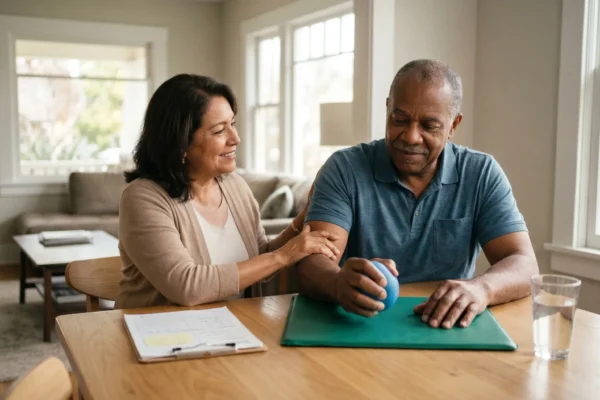
You may receive some help from FUNCtherapy who offer specialized physical and occupational therapy that takes place directly in your home. This approach is highly effective because it allows therapists to use your actual furniture and environment for training, making the exercises more relevant to your daily life in Pasadena.
Mastering Hand Stroke Exercises for Dexterity
- Finger Tapping: Tap each finger to the thumb in a rhythmic pattern.
- Object Sorting: Move small items like buttons or coins between bowls.
- Towel Scrunches: Place a towel on a table and use your fingers to pull it toward you.
These movements should be slow and deliberate. Quality of movement is far more important than speed during this early phase of recovery.
Vital Strategies for Long-Term Prevention
Proactive Ways to Prevent a Stroke
- Blood Pressure Control: Aim for a target below 130/80 mmHg, as hypertension is the leading cause of recurrent strokes.
- Nutritional Balance: Transition to a diet low in sodium and high in potassium, focusing on whole grains and leafy greens.
- Physical Activity: Engage in at least 150 minutes of moderate-intensity aerobic activity per week, as tolerated.
Accessing Medical Care Without the Stress
Doctor2me provides a helpful alternative for Pasadena residents by bringing medical professionals directly to your door. This service allows you to receive clinical consultations and monitoring in a relaxed environment, avoiding the long waits and germs of a traditional clinic. This is especially beneficial when you have questions about new symptoms or need a general wellness check.
The Role of Skilled Nursing at Home
You can bridge this gap by providing skilled nursing and clinical oversight for your loved ones. Having a professional monitor vital signs and recovery progress ensures that any potential complications are caught early, often preventing a return to Huntington Hospital.
Mental Health and Recovery Milestones
| Month 1 Goal | Focus | Typical Outcome |
| Safety | Home modification | Zero falls in the home environment – |
| Mobility | Daily walking | Increased distance or improved gait – |
| Cognition | Speech/Memory | Improved communication with family – |
The Invisible Challenge: Mental Resilience and Cognitive Rewiring
Strategies for Cognitive Engagement and Mental Health
- Structured Social Interaction: Engaging in short, meaningful conversations helps rebuild language pathways and reduces the feeling of isolation.
- Adaptive Hobbies: Activities such as puzzles, audiobooks, or even light gardening in a Pasadena backyard provide low-stress cognitive stimulation.
- Mindfulness and Breathing: Techniques that lower cortisol levels are proven to support neuroplasticity by reducing the brain’s “fight or flight” response.
Building a Sustainable Support System
By addressing the “silent” symptoms of stroke – such as anxiety, memory gaps, and emotional lability – you create a comprehensive foundation for healing. This integrated approach ensures that the survivor is not just physically present but is mentally and emotionally equipped to enjoy their life in Pasadena once again.
Final Thoughts
Frequently Asked Questions
How long does the stroke recuperation process typically take at home?
The duration of stroke recuperation varies for every individual, but the first month is critical for establishing a safe routine. Most patients see the most significant gains in mobility and speech within the first three to six months of consistent home therapy.
What are the most effective hand stroke exercises for regaining grip strength?
Effective hand stroke exercises include finger opposition taps, squeezing therapy putty, and practicing object manipulation like moving coins. These repetitive movements stimulate neuroplasticity, helping the brain rebuild motor pathways to the hands and fingers.
Which stroke rehabilitation aids are essential for home safety?
To prevent falls, essential stroke rehabilitation aids include grab bars for the bathroom, non-slip mats, and raised toilet seats. Adaptive equipment like reachers and long-handled shoehorns also help survivors maintain independence while minimizing physical strain.
What are the most reliable ways to prevent a stroke from recurring?
The most proven ways to prevent a stroke include maintaining blood pressure below 130/80 mmHg and managing cholesterol through a heart-healthy diet. Regular physical activity and avoiding tobacco are also vital steps in reducing the risk of a secondary vascular event.
How can I manage therapy if the patient cannot travel to a clinic in Pasadena?
In-home physical and occupational therapy is a highly effective solution for those with limited mobility. Specialized providers can assess the home environment and tailor exercises to real-world tasks, ensuring recovery continues without the exhaustion of travel.