This is for informational purposes only. For medical advice or diagnosis, consult a professional.
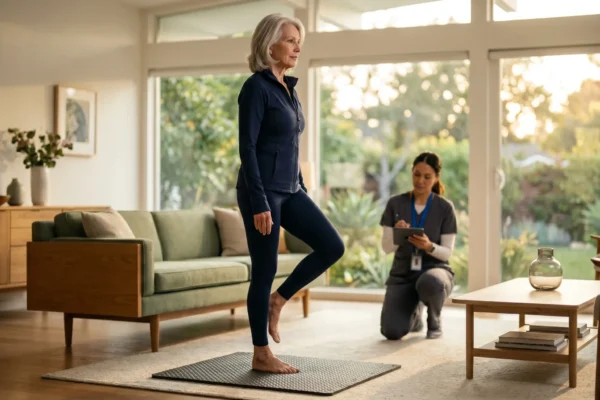
An annual fall risk assessment is a structured clinical evaluation designed to identify physical, sensory, and environmental vulnerabilities before they lead to an injury. This preventive screening typically involves functional movement tests, a review of vision and balance, and a professional analysis of the living environment.
By detecting risks early, older adults in Pasadena can implement specific interventions that preserve their physical independence and mobility.
Regular check-ups allow healthcare providers to catch subtle changes in gait or joint stability that often go unnoticed by the patient. In the clinical setting, these assessments serve as a clear roadmap for personalized wellness.
For residents of Pasadena, staying proactive means shifting the focus from emergency response to long-term physical security.
The Critical Importance of Fall Prevention for Older Adults
The impact of a single slip extends far beyond the immediate physical pain of the event. A fall often leads to a cycle of decreased activity, muscle atrophy, and a loss of confidence in one’s own body. Addressing these risks through regular screenings helps break this cycle before it starts, ensuring that seniors remain active members of the community.
Understanding the 2026 Statistics and Safety Trends
| Intervention Type | Reduction in Risk | Primary Benefit |
| Clinical Gait Screening | 24% | Early detection of balance disorders |
| Home Safety Modifications | 20% | Elimination of environmental trip hazards |
| Vision and Hearing Care | 15% | Improved spatial awareness and orientation |
| Strength Training Programs | 32% | Enhanced recovery reflexes and bone density |
Key Benefits of Early Screening:
- Preservation of Autonomy: Maintaining the ability to navigate Pasadena’s local shops and parks without assistance.
- Reduction of Medical Stress: Avoiding the long-term physical complications associated with joint trauma.
- Cognitive Confidence: Reducing the fear of moving, which often leads to social isolation.
Key Components of a Clinical Screening Protocol
These physical tests provide objective data that helps clinicians track health changes over time. By measuring how long it takes a senior to stand or walk a set distance, doctors can predict future mobility challenges with high accuracy. This data-driven approach ensures that every recommendation is tailored to the individual’s specific physiological needs.
Standardized Fall Risk Assessment Tools and Tests
Another essential evaluation is the 30-Second Chair Stand test, which directly measures lower-body endurance. This test counts how many times a senior can stand up without using their arms for support. Maintaining leg strength is critical for safely navigating the uneven sidewalks found throughout Pasadena.
Assessing Balance and the Ankle Joint
Sensory health, including vision and hearing, also plays a massive role in how the brain processes movement. Decreased contrast sensitivity can make it difficult to see the edges of stairs or changes in floor texture. Regular vision checks are therefore a core component of fall prevention in older adults.
Identifying Physiological Factors in Older Adults
Physicians also pay close attention to how various body systems interact during movement. For example, a sudden drop in blood pressure when standing up can cause brief dizziness, leading to immediate instability. Identifying these physiological markers allows for the creation of a safer daily routine.
The Connection Between Imaging and Physical Stability
These independent imaging centers operate entirely separately from primary care clinics, but they provide the precise anatomical data required for accurate diagnosis. Having this detailed information helps avoid guesswork in treatment. It ensures that any subsequent physical therapy exercises are completely safe for the patient’s specific condition.
Comprehensive Home Fall Risk Assessment
Families should treat the home evaluation as an ongoing process rather than a one-time event. As mobility needs change over the years, the living environment must be adapted to match those precise requirements. Focusing on environmental safety ensures that no detail is overlooked during a residential inspection.
The Room-by-Room Safety Checklist
Essential Home Safety Markers:
- Flooring: Secure all loose rugs with double-sided tape or remove them entirely from walking paths.
- Lighting: Install motion-sensor nightlights in hallways leading to the bedroom and bathroom.
- Clutter: Keep high-traffic zones clear of electrical cords, pet toys, and low-profile furniture.
- Stairs: Ensure handrails are present on both sides and that step edges are clearly marked.
Common Home Hazards and Professional Solutions
| High-Risk Area | Specific Hazard | Recommended Modification |
| Bathroom | Slick bathtub surfaces | Install heavy-duty grab bars and textured non-slip mats |
| Bedroom | High bed height | Use bed rails or transition to adjustable-height frames |
| Kitchen | Items on high shelves | Relocate daily cooking essentials to waist-level storage |
| Entryway | Steep exterior thresholds | Install low-profile transition ramps for smoother access |
Implementing Permanent Mobility Solutions
These independent experts ensure that heavy-duty modifications are installed with the specific weight-bearing capacity required for senior safety. Properly installed railings and customized access ramps provide the physical support necessary for seniors to move confidently. Investing in these permanent modifications is a proactive way to ensure a home remains a safe haven.
Recovery, Skin Integrity, and Long-Term Wellness
The initial days following a stumble are critical for assessing the full extent of the physical impact. Returning to an active lifestyle requires overcoming both the physical damage and the emotional shock of the event. A balanced approach to recovery ensures that the senior can get back on track safely.
Managing the Aftermath of a Severe Injury
Post-Fall Recovery Protocols
| Recovery Stage | Priority Action | Objective |
| Immediate | Check for joint trauma and head injury | Rule out life-threatening internal damage |
| 24-48 Hours | Monitor for swelling or severe tissue damage | Prevent infection and reduce acute inflammation |
| 1-2 Weeks | Gradual return to gentle mobility exercises | Rebuild muscle strength and joint stability |
| Ongoing | Emotional support and routine review | Address the psychological impact of the event |
While minor bruises heal naturally, severe impacts can sometimes result in significant dermal trauma that requires advanced clinical intervention.
If an older adult suffers a complex soft tissue injury that will not close properly, independent specialized providers like GotWound.Com focus exclusively on skin grafting services. Utilizing these advanced surgical grafting solutions helps repair the compromised tissue, accelerating the return to baseline mobility.
The Psychological Aspect of Fall Prevention
Strategies for Rebuilding Confidence:
- Incremental Goals: Start with short, supervised walks in a highly familiar and safe environment.
- Social Engagement: Participate in group balance classes in Pasadena to build confidence alongside peers.
- Assistive Devices: Learn to use a cane or walker correctly to provide necessary stability during recovery.
Community Resources and Professional Care in Pasadena
Leveraging these local support systems is a key part of any comprehensive safety strategy. Staying connected with the community ensures that seniors have access to the latest wellness trends and preventive care options.
Accessing Local Support Systems
Pasadena Senior Resources:
- Balance Classes: Evidence-based programs focusing on core strength are frequently offered locally.
- Senior Centers: Local hubs provide directories for wellness services and host regular safety seminars.
- Outdoor Activity: Utilizing the flat, well-maintained walking paths at local parks for safe, low-impact exercise.
For those who find traveling to a clinical appointment physically taxing, modern healthcare options provide a highly convenient alternative. Arranging a consultation through Doctor2me allows seniors to receive a thorough elderly fall assessment right in the comfort of their own living rooms. This approach significantly lowers the stress of transportation, bypasses crowded waiting areas, and minimizes the risk of exposure to airborne infections.
Final Steps for a Safer Future
Your Preventive Action Plan:
- Schedule: Book an annual evaluation with your primary physician or a dedicated home-visit service.
- Evaluate: Complete a thorough walkthrough of your residence using a professional safety checklist.
- Engage: Join a local strength or balance class to maintain your vital physical foundation.
- Update: Regularly review your vision prescriptions and upgrade environmental lighting.
Prioritizing your stability today is the most effective way to protect your physical independence for tomorrow.
Frequently Asked Questions
What is the recommended frequency for an elderly fall risk assessment?
Healthcare professionals recommend scheduling a formal screening at least once a year to track changes in mobility and physical strength. You should also request an evaluation immediately following any slip or if you begin to feel unsteady while performing daily activities in your home.
What functional tests are used during a senior fall screening?
Clinicians typically use standardized tools such as the Timed Up and Go (TUG) test to measure gait speed and the 30-Second Chair Stand test to evaluate lower-body endurance. These assessments provide objective data on your balance and coordination, helping to identify specific areas that require physical therapy or intervention.
What are the common indicators that a senior has a high fall risk?
Primary warning signs include clutching furniture for support while walking, experiencing frequent dizziness, or feeling a persistent fear of falling. If you notice a decline in leg strength or find yourself avoiding certain rooms due to instability, it is a clear signal that a professional elderly fall assessment is necessary.
Can home safety modifications really prevent falls in older adults?
Yes, environmental changes are highly effective, as the majority of accidents occur within the residence due to hidden trip hazards. Installing heavy-duty grab bars, improving lighting in hallways, and securing loose rugs can reduce the likelihood of a stumble by addressing environmental vulnerabilities before they cause an injury.
How does vision and hearing health affect physical balance?
Sensory health is a critical component of stability because the brain relies on clear visual and auditory input to maintain spatial awareness. Decreased contrast sensitivity or hearing loss can significantly increase the cognitive load on the brain, making it harder to navigate uneven surfaces safely.