This is for informational purposes only. For medical advice or diagnosis, consult a professional.
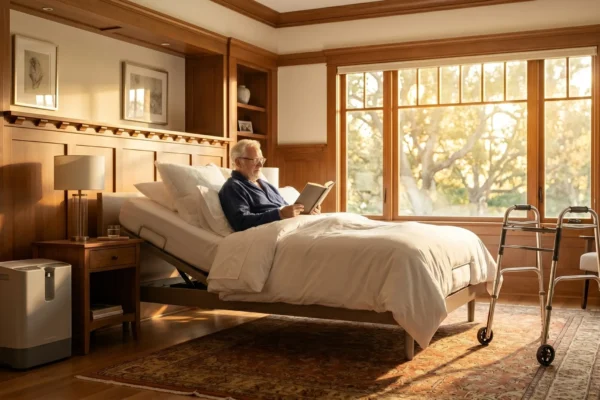
To secure essential medical equipment for a senior in Pasadena, you must focus on clinical necessity and the specific layout of the home. These devices, often referred to as durable medical equipment & medical supplies, are designed to withstand repeated use for at least three years and must be prescribed by a physician following a professional evaluation.
Residents can find reliable local suppliers in the Pasadena and Altadena areas to ensure proper fitting and maintenance of these vital health tools.
Ensuring a safe environment involves a strategic combination of physical hardware and professional oversight. From mobility aids that prevent dangerous falls to respiratory machines that support breathing, every piece of equipment plays a role in maintaining independence.
This guide outlines the essential categories of home gear and the steps required to integrate them into a comprehensive care plan.
Defining Durable Medical Equipment (DME)
Professional suppliers in Pasadena adhere to these standards to provide equipment that truly supports a patient’s recovery or long-term health management. Understanding these criteria helps families distinguish between standard wellness products and high-grade clinical tools.
Core Requirements for Clinical Gear
- Long-term Durability: The item must have an expected lifetime of at least three years under normal use.
- Clinical Necessity: A doctor must determine that the equipment is required to treat a specific medical condition.
- Home Use Suitability: The device must be safe and functional within a private residence rather than just a clinical facility.
- Repeated Usage: The hardware must be designed to be used over and over again without losing its structural integrity.
Essential Categories of Home Medical Devices
Each category requires a different approach to installation and safety management. Selecting the right tools depends on a thorough understanding of the senior’s current physical capabilities and their long-term health goals.
Mobility Aids and Fall Prevention
- Manual and Power Wheelchairs: Essential for those who can no longer walk safely even with significant support.
- Walkers and Rollators: Provide a stable base for seniors who experience mild to moderate balance issues.
- Canes and Crutches: Offer targeted support for minor gait instabilities or temporary injuries.
- Patient Lifts: Specialized mechanical tools used to move seniors from a bed to a chair safely, reducing strain on caregivers.
Because every home has unique architectural hazards, a professional environmental review is often necessary. Some families independently consult with specialists to evaluate their hallways and bathrooms for hidden trip hazards. This assessment is a proactive step taken by the family to ensure the home layout supports the use of new mobility equipment.
Respiratory Support and Safety Rules
- Oxygen Concentrators: Devices that pull ambient air and purify it for the user; they must be kept in well-ventilated areas.
- Portable Oxygen Tanks: Allow seniors to maintain their therapy while traveling or attending appointments in Pasadena.
- Nebulizers: Turn liquid medication into a fine mist for easier inhalation, often used for acute respiratory symptoms.
| Hazard Source | Minimum Safe Distance | Reason for Rule |
| Open Flames (Stoves, Candles) | 10 Feet | Oxygen supports rapid combustion |
| Walls and Heavy Drapery | 12 Inches | Prevents the motor from overheating |
| Space Heaters | 10 Feet | Reduces risk of heat-induced equipment failure |
| Electrical Devices | 5 Feet | Minimizes risk of electrical sparks near the unit |
Smart AgeTech and Monitoring Systems
- Smart Hospital Beds: Automatically adjust pressure points to prevent skin breakdown and improve sleep quality.
- Wearable Fall Detectors: Can alert emergency contacts instantly if a sudden drop or impact is detected.
- Remote Vital Monitors: Track heart rate, blood pressure, and oxygen saturation without the need for constant clinical visits.
Selecting Medical Equipment Suppliers in Pasadena
| Vendor Name | Primary Location | Key Equipment Focus |
| Webster Pharmacy Inc | Altadena | Mobility scooters and patient lift systems |
| Mats Pharmacy | Altadena | Heavy-duty hospital beds and bath safety |
| Altadena Medical Pharmacy Inc | Pasadena | Daily health monitors and assistive tools |
| Friendly Medical Supply | South Pasadena | Ergonomic rehabilitation and custom braces |
Integrating Equipment into a Daily Care Plan
For many families in Pasadena, this involves partnering with external agencies for non-clinical support to ensure your loved one has a trained professional to assist with mobility devices and daily activities.
Evaluating Residential Transitions
When modifying the home is no longer a viable option, families often explore specialized residential settings that help families navigate the move to a community specifically designed for senior safety. This transition is an independent decision made to ensure the senior has 24-hour access to a secure and supportive environment.
Professional In-Home Health Assessments
Doctor2me provides a convenient alternative by sending a qualified physician directly to the patient’s home. During this visit, the doctor evaluates the senior in their natural environment, allowing for a more accurate assessment of their equipment needs. This process ensures that every piece of gear prescribed is a perfect match for the patient’s physical condition and the home’s layout.
- Avoid Waiting Rooms: Eliminate the risk of exposure to airborne illnesses in public clinics.
- Environment-Specific Advice: Get recommendations tailored to the actual space where the equipment will be used.
- Reduced Stress: Perform health evaluations in the comfort of a familiar living room.
- Accurate Fitting: Ensure that mobility aids are calibrated to the patient’s specific height and weight.
Maintenance and Long-Term Device Care
- Daily Sanitization: Wipe down handgrips, control panels, and seat surfaces to prevent bacterial buildup.
- Weekly Filter Checks: Clean the intake filters on oxygen concentrators to prevent the motor from overworking.
- Monthly Visual Inspections: Check for frayed electrical cords, loose bolts, or worn rubber tips on walkers.
- Battery Management: Ensure all power-operated devices are charged daily to prevent being stranded during a power outage.
Professional Servicing Schedules
Frequently Asked Questions
What items are classified as durable medical equipment (DME) for home use?
Durable medical equipment includes sturdy clinical tools like hospital beds, wheelchairs, and oxygen concentrators designed for long-term recovery. To qualify, the hardware must be medically necessary, prescribed by a physician, and capable of withstanding repeated use for at least three years.
How can I find reliable medical equipment suppliers in the Pasadena area?
You can find reputable vendors in Pasadena and Altadena that specialize in mobility aids, respiratory support, and home safety gear. Local suppliers are often preferred because they provide hands-on tutorials, professional fittings, and rapid technical support for complex devices.
Why should I choose an in-home health assessment for medical equipment?
An in-home assessment allows a physician to evaluate your specific physical limitations within the actual layout of your residence. Mobile services like Doctor2me eliminate the stress of travel and ensure that prescribed equipment, such as patient lifts or walkers, fits perfectly in your living space.
What are the primary safety rules for using home oxygen therapy?
Safety protocols require keeping oxygen concentrators at least 10 feet away from open flames and ensuring proper ventilation to prevent overheating. It is also critical to post “No Smoking” signs and perform weekly maintenance on intake filters to keep the respiratory equipment functioning efficiently.
Can smart technology improve senior safety at home?
Yes, modern AgeTech like smart hospital beds and wearable fall detectors provide a secondary safety net by monitoring vitals and alerting family members to emergencies. These digital tools complement traditional mobility aids, allowing seniors in Southern California to age in place with greater confidence.