This is for informational purposes only. For medical advice or diagnosis, consult a professional.
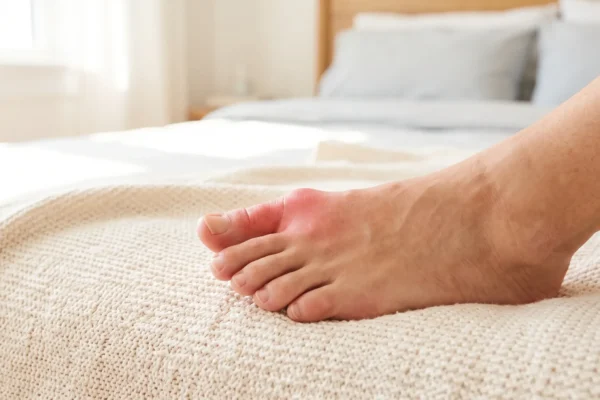
You go to bed feeling fine. In the middle of the night, your big toe wakes you up. It is red, hot, and so tender that even the bedsheet hurts.
That sudden, fiery pain is a classic sign of gout. Gout is common, and it can feel alarming the first time it hits. The good news is that it is very treatable.
Here is what gout is, why it flares the way it does, and what you can do about it. We will keep it simple and clear.
What Is Gout?
The trouble starts with a substance called uric acid. When too much builds up in the blood, it can form sharp crystals in a joint. Those crystals set off the pain and swelling of a gout flare.
According to Mayo Clinic, gout symptoms tend to come and go. A flare can hit hard, then fade for weeks, months, or even years. Between flares, you may feel completely normal.
What Are the Symptoms of Gout?
Common gout symptoms include:
- Sudden, intense pain in a joint, most often the big toe
- Swelling and tenderness around the joint
- Warmth in the area
- Redness, which can be harder to see on brown or black skin
- Trouble moving the joint as the flare goes on
Gout can strike other joints too. Ankles, knees, elbows, wrists, and fingers can all be hit. After the worst pain eases, some soreness may linger for days or weeks.
Gout in the Foot
Gout pain is usually sharp, sudden, and centered on one joint. It comes with obvious redness and swelling. That pattern is a strong clue that gout, not a strain, is to blame.
The big toe joint is a common spot for a reason. It sits far from the heart and tends to be cooler. Uric acid crystals form more easily in cooler joints, which is why the toe is often first.
What Causes Gout?
Normally, uric acid passes out of your body in urine. Sometimes the body makes too much of it. Other times the kidneys remove too little. Either way, the level rises and crystals can form.
Foods and Drinks That Raise Uric Acid
Foods and drinks linked to higher uric acid include:
- Red meat and organ meats like liver
- Purine-rich seafood such as anchovies, sardines, mussels, scallops, trout, and tuna
- Beer and other alcohol
- Drinks sweetened with fructose, like regular soda
None of this means one bad meal caused your flare. It is the overall pattern that matters most. Small, steady changes tend to help more than a crash diet.
Who Is Most Likely to Get Gout?
The CDC points to several things that raise the odds. These include obesity, a family history of gout, and health conditions like high blood pressure, diabetes, and poor kidney function. Managing prediabetes and weight can help lower your overall risk.
Some medicines can raise uric acid too. Mayo Clinic explains that water pills, called diuretics, are one example. If you take a diuretic for high blood pressure that is hard to control, ask your doctor whether it could be adding to your gout.
How Long Does a Gout Attack Last?
Between flares, many people feel nothing at all. This quiet stretch can last for months or longer. It can make gout easy to forget until the next attack.
That calm can be misleading, though. Even with no pain, uric acid may still be high. Treating the cause between flares is how you keep them from coming back.
What Happens If Gout Goes Untreated?
Over years, uric acid crystals can form hard lumps under the skin. These are called tophi. They can show up around joints, in the fingers, or near the ankles.
High uric acid can also affect the kidneys. It may lead to kidney stones in some people. This is one more reason to take repeated flares seriously.
How Is Gout Diagnosed?
- A joint fluid test, which can show uric acid crystals under a microscope
- A blood test to measure uric acid, though a high level does not always mean gout
- X-rays to rule out other causes of joint swelling
- Ultrasound to spot crystals in the joint
Gout is easiest to confirm during a flare. That is when the crystals are simplest to find. If a joint is suddenly hot and swollen, do not wait too long to get it looked at. You can even have a doctor check the joint at home if getting out is hard.
Caring for a Gout-Prone Foot
Foot care is even more important if you have other conditions. People who need foot care for people with diabetes should be especially careful with any foot pain or swelling. A small problem can grow if it is ignored.
How Can You Prevent Gout Flares?
- Limit alcohol, especially beer, and sugary drinks
- Cut back on red meat, organ meats, and purine-rich seafood
- Drink plenty of water through the day
- Stay active, aiming for about 150 minutes of moderate activity a week
- Work toward a healthy weight
These habits help your heart and kidneys too. High uric acid can also lead to kidney stones over time. If you have ever had kidney-related back pain, it is worth mentioning to your doctor.
Treated early, gout is one of the most controllable forms of arthritis. Many people go long stretches without a single flare. The key is not to ignore that first fiery toe, and to follow up with your doctor after it passes.
Frequently Asked Questions
What is gout?
Gout is a form of arthritis caused by a buildup of uric acid in the blood. The uric acid forms sharp crystals in a joint, which triggers sudden pain and swelling. It most often affects the big toe.
What are the first symptoms of gout?
The first sign is usually sudden, intense pain in one joint, often the big toe, that comes on at night. The joint becomes swollen, red, warm, and very tender. The pain is often worse in the first 8 to 12 hours.
What foods cause gout flares?
Foods high in purines can raise uric acid and trigger flares. These include red meat, organ meats, and seafood like anchovies, sardines, mussels, and scallops. Beer and drinks sweetened with fructose also raise the risk.
How is gout treated?
A flare is usually treated with anti-inflammatory medicines like ibuprofen, colchicine, or steroids. For frequent gout, doctors may add medicines like allopurinol to lower uric acid over time. Diet and lifestyle changes support treatment.
Does gout only affect the big toe?
No. The big toe is the most common spot, but gout can affect other joints too. Ankles, knees, elbows, wrists, and fingers can all be involved.
Can gout be prevented?
You cannot prevent every flare, but you can lower your risk. Limiting alcohol, sugary drinks, and purine-rich foods helps, along with drinking water, staying active, and keeping a healthy weight. Medicines can also prevent flares in people with frequent gout.